Easy, quick, and really tasty: with the Trendglas Jena French Press for up to 8 cups, you can make aromatic coffee with no fuss. You'll also get 250 g of coffee – whole beans or ground – packaged in a nice gift box. Perfect for easy coffee enjoyment.
€43.90
incl. VAT Delivery 1 to 3 days in 🇩🇪.
We charge €4.90 shipping costs. Free shipping for orders with an order value of € 39 and above. Delivery in 1 to 3 working days in Germany. Except for large appliances, orders are dispatched by DHL. In any case, you will receive a tracking link from us for your order.
Everything else about shipping to other countries, delivery to Packstation & post office, customs dues and more under
If your order does not meet your expectations or has arrived incomplete or damaged, we will be happy to help you.
You can simply return or exchange items within 14 days of delivery.
Is there something wrong with your order or would you like to make a warranty claim?
Good coffee can be so simple: hot water, a few minutes of rest, and the aroma of fresh enjoyment fills the air. The Trendglas Jena French Press is an elegant classic and ideal for anyone who loves strong filter coffee. With 250 g of coffee—either whole beans or ground—and a lovingly packaged gift box, this set is sure to bring joy.
The elegant classic made of glass
No frills, just pure coffee bliss: the French press is like a good friend—uncomplicated, reliable, and always there for you. In a few simple steps, you can conjure up a strong, full-bodied filter coffee that will sweeten your day. Afterwards? Pop it in the dishwasher or quickly rinse it by hand—done.
And best of all, you can enjoy it with a clear conscience, because the French press works without filter paper. That's why it has been recognized as the most environmentally friendly coffee maker. Every sip tastes twice as good.
Coffee with character and plenty of soul
Coffee from a French press has presence: full-bodied, round, and with significantly more body than coffee from a hand filter.
The secret: the metal strainer keeps the aromatic coffee oils in the drink instead of filtering them out like paper filters do. This means more flavor ends up in your cup—strong, chocolatey, nutty. However, it appears slightly less clear and delicate than other brewing methods.
If you love strong flavors, treat yourself to your next breakfast coffee from a French press. You'll taste the difference.
You don't need anything else for your coffee: no filters, no extras. The pot is made from a single piece of glass – reduced to the essentials and designed to give you great coffee every day without any fuss.
The Right Tools for Your Coffee
A good cup of coffee isn't a science – but the right tools make a real difference. Our hand-picked selection of coffee and espresso accessories will help you get more out of your beans.
Technical Details
Trendglas Jena French Press - 8 cups
Material
Glass, metal
Delivery contents
Glass frame, lid with strainer, instructions for use
Measurements (W|H|D)
236 mm | 150 mm | 101 mm
Weight
650 g
Manufacturer
Trendglas Jena
Manufacturer Code
118051
EAN Code
5996427118051
A Trip to the Spice Bazaar
Toleyo has a strong, spicy and low-acid flavour – a coffee with character. The 100 % Arabica blend brings plenty of power, intense cocoa notes and a hint of nutmeg to your cup.
Tips for Preparation
Toleyo is suitable for all methods of filter coffee preparation and fully automatic machines. It works particularly well in a classic filter coffee machine or French press. But fans of hand filters, Chemex or AeroPress will also get their money's worth. Whether pure, with milk (or milk alternatives) or a little sugar, Toleyo always tastes great – strong, harmonious and with lots of personality.
A Blend with Strong Character and Rich Crema
Grano Gayo is an espresso blend with character – and four countries of origin that could hardly be more harmonious. The coffee from Colombia provides the strong base note: nutty, caramelised and balanced – exactly what you want from a classic espresso. Peru adds the delicate sweetness of dark berries, giving the blend a playful lightness. The contribution from Ethiopia reinforces these nuances with its typical fruity sweetness.
The dark blend is rounded off by beans from Honduras, which provide a chocolatey aftertaste. The result? A low-acid espresso with a rich crema, without any frills.
Three Times Handcrafted, One Blend
Toleyo, a 100% Arabica blend, combines the best of Brazil, Indonesia and the Democratic Republic of Congo.
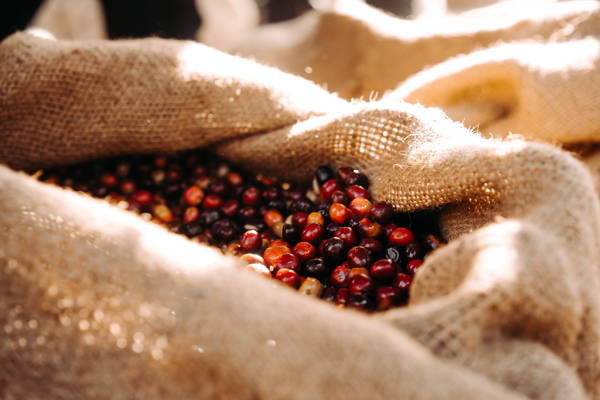
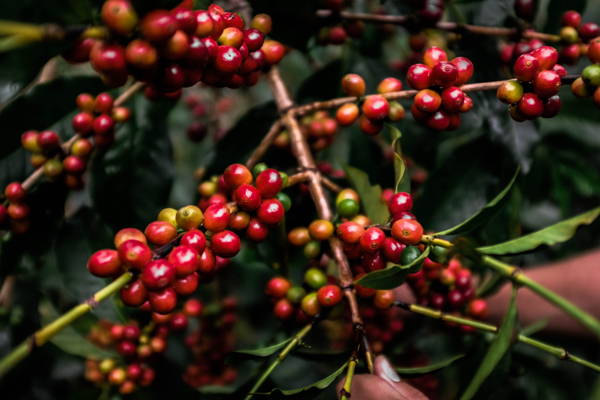
In Brazil, we work with the APAS cooperative in the south-east. The farmers carefully harvest and select the coffee cherries by hand and leave them to dry in the sun – this is how the nutty, chocolatey notes typical of Brazil develop.
Musfaha Mandiri and its farmers supply the Indonesian piece of the puzzle from the highlands of Sumatra. Their beans undergo an unusual processing method: the wet hulled process typical of the country. This involves hulling the coffee while the beans are still moist – usually, hulling is done when the beans are dry. The beans are then air-dried.
The wet hulling process is typical for regions with high humidity, because normal drying would take an extremely long time there.
By hulling the beans early while they are still moist, the drying process can be accelerated – this is important because the humid climate would otherwise promote mould growth and quality loss. This type of processing emphasises the flavour and ensures a low-acid result. The coffee contributes a spicy, slightly earthy depth to the blend.
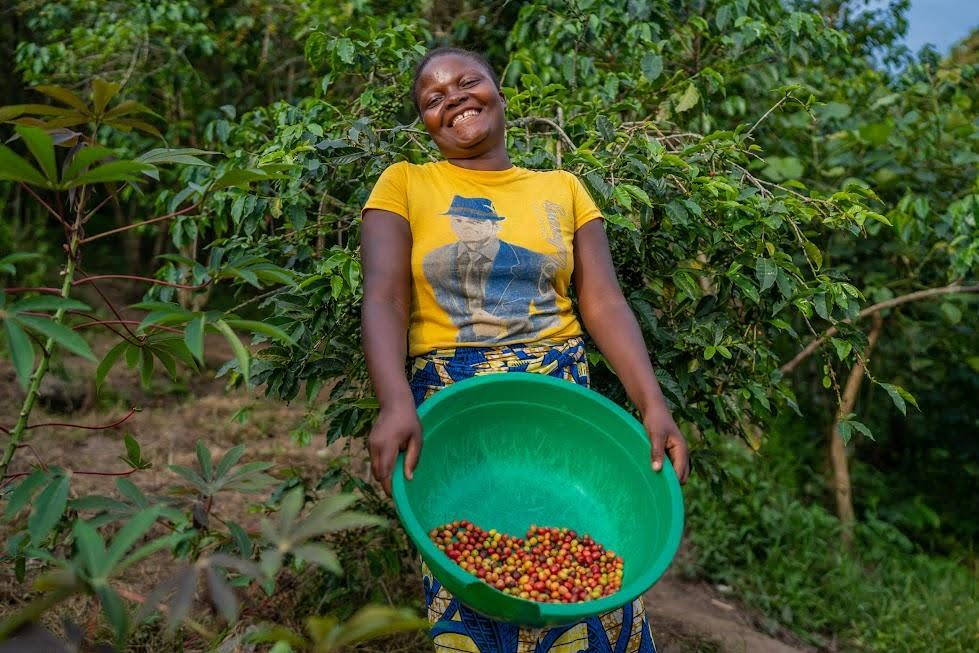
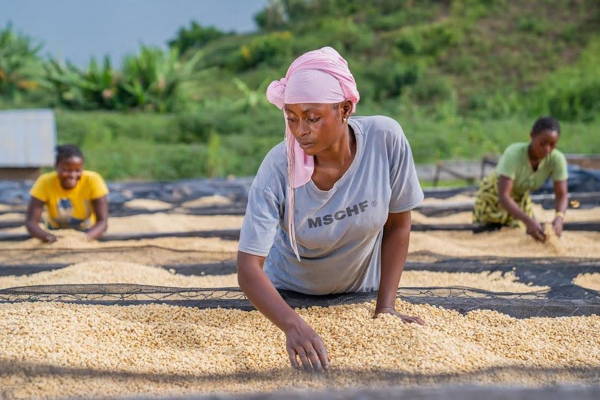
The Congolese portion is produced by the Rebuild Women's Hope (RWH) cooperative. RWH operates four washing stations where the coffee cherries are processed after harvesting. The cherries are first pre-sorted by hand, then the pulp of the coffee cherry is separated from the bean and the beans are cleaned of the remaining pulp in a water tank. Finally, they are dried on raised beds for about 14 days. This type of washed processing rounds off the blend with nutty-sweet notes and a subtle spiciness.
Different Origins, United for Exceptional Coffee
Since 2018, we have maintained a close partnership with the Brazilian cooperative APAS, with whom we share the same commitment to exceptional quality and fair production conditions. Today, 71 farmers belong to the organisation. Together, they focus on quality, craftsmanship and sustainable methods, from harvesting to processing.
The Indonesian portion of the blend comes from the north of Sumatra. There, the coffee is grown by over 600 farmers, mainly at altitudes of 1,600–2,000 metres. Coffee farmer and exporter Musfaha Niaga Mandiri has been working closely with the farmers for years, monitoring all processes to deliver consistently exceptional quality and continuously improve it.
We source the third component for Toleyo from the Congolese cooperative Rebuild Women's Hope (RWH), which was founded in 2013 by Marceline Budza, a human rights activist, and has been run by her ever since. The female-led organisation is committed to strengthening women's rights in Congo, enabling female coffee farmers to achieve economic independence and giving them decision-making power. A good standard of living for the entire community – that is their vision. The cooperative is currently investing in the construction of a women's centre and a hospital.
Toleyo tastes like a trip to the spice bazaar – a chocolatey, spicy Arabica blend with personality. This fine yet strong coffee is an absolute must, especially for fans of café crème or milk drinks.
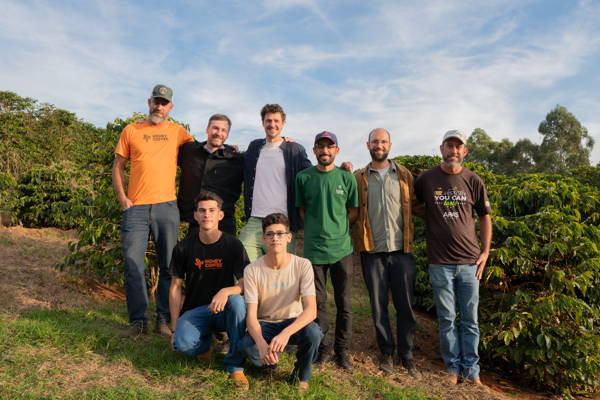
⌙ Martin, Hannes and Robert with coffee farmers from APAS and their family
Brazil
APAS Cooperative
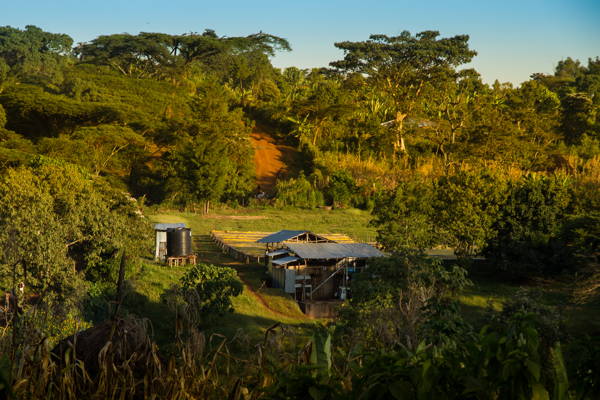
The APAS cooperative in Minas Gerais, Brazil, brings together 67 dedicated farmers, including Alessandro and Ademilson. We have been working closely with them as equal partners since 2018. At an altitude of 1,150 metres, they farm sustainably – with a lot of manual labour, care and natural methods. Their goal: to create quality that values both people and nature equally.
Location
São Gonçalo do Sapucaí, Mantiqueira de Minas, Brazil
Rebuild Women's Hope was founded in 2013 on the island of Idjwi in Lake Kivu by human rights activist Marceline Budza. Inspired by the resilience of her own mother, who raised her four daughters alone, she made it her mission to find practical ways to bring about lasting change in the lives of women in rural areas. The cooperative specifically strengthens women's rights in the DR Congo, promotes their independence and invests in education and health. Today, it is a beacon of hope for entire communities.
In northern Sumatra, over 600 farmers working at altitudes of 1,350 metres and above collaborate closely with coffee farmer and exporter Musfaha Mandiri. At his Mena Gold farm, the coffee is processed using the wet hulled method typical of the country – this accelerates drying in the humid climate and preserves quality.
Like a good friend, you can rely on Limu. Its smooth taste never lets you down: Limu is mild, slightly fruity and has a subtle chocolate note. As a reliable all-rounder for every day, it is easy to prepare and always just right.
Tips for Preparation
Whether you use a manual filter, French press or coffee machine, Limu always turns out well. And since it tastes just as good on its own as it does with a dash of milk (or milk alternative), you can enjoy it in a variety of ways, depending on what you feel like.
Coffee from the Forest Gardens of Ethiopia
As a single origin coffee, Limu comes from a single region and reflects the special growing conditions there. In Ethiopia, coffee is often still grown in shady forest gardens – on nutrient-rich, natural soils, surrounded by native vegetation. In the highlands of the country, at altitudes of over 2,000 metres, the coffee cherries also ripen more slowly, allowing the coffee to develop its complex aroma and a fine, pleasant acidity.
No matter how you drink it, Limu is a reliable, uncomplicated coffee that will delight you every day.
Working Together for Better Coffee – for 15 Years
We source Limu, our very first coffee, from the region of the same name in south-western Ethiopia. We have been working with the Kenissa cooperative for 15 years and, thanks to your donations, are investing in the region. Through a joint project with Welthungerhilfe, for example, they have been able to improve their cultivation methods and build a new washing station with environmentally friendly technology. In addition, quality trainers support the employees during harvest time to further improve quality. Since then, the farmers have been able to achieve better prices and invest more in the long term – in their farms and their future.
Ethiopia
Kenissa Cooperative
The Kenissa Cooperative is located in the Limu region in southwestern Ethiopia at an altitude of over 2,000 metres. Around 300 families grow coffee here naturally and sustainably in shady forest gardens. We have been working with the cooperative for 15 years and are investing in the region together with you. In cooperation with Welthungerhilfe, not only has a more environmentally friendly washing station been built, but cultivation methods have also been sustainably improved – for a better future.
If tea were coffee, it would be called Yirgacheffe. This Ethiopian Washed Arabica is our highlight for all those who appreciate fine and complex aromas. Mild and harmonious, this single origin will win you over with its subtle vanilla and blackberry notes.
Harvested and Processed by Hand
The Koke Cooperative is located in the heart of the renowned Yirgacheffe coffee region in Ethiopia, the namesake of this special Arabica. As part of the Yirgacheffe Coffee Farmers Cooperative Union (YCFCU), it represents around 1,200 farmers. Koke has made it her goal to improve the living conditions of the local community. For example, it invests in the renovation of schools and the provision of learning materials on site. The coffee cherries are harvested and sorted by hand by the farmers. In the washing station, they are separated from the pulp, washed and then dried in the sun with regular and careful turning - this gives the coffee its clear, fine taste profile. A special highlight? The cooperative attaches great importance to ensuring that the beans can be fully traced: from the time of harvest to the end of the preparation process.
Traditional Cultivation in the Interests of Nature Conservation
Yirgacheffe is grown in shady forest gardens in the south-western mountains of Ethiopia. Thanks to the cool, high-altitude climate, the coffee cherries ripen more slowly and have more time to develop their characteristic, fruity and spicy flavor. Traditional cultivation in forest gardens also has advantages in terms of nature conservation: the plants have a higher natural resistance to pests, plant and species diversity is preserved and the method of cultivation provides natural protection against erosion.
Yirgacheffe is like a quiet favorite song – you don't hear it, you feel it. Mild, harmonious, and complex, with a gentle vanilla flavor and notes of ripe berries, this Ethiopian washed coffee provides relaxation – every day.
Tips for Preparation
All types of filter coffee preparation are suitable for preparing Yirgacheffe coffee. When prepared with a hand filter, fruity-sweet nuances tend to come to the fore, while a French press, for example, emphasizes floral-spicy aromas. Yirgacheffe is best enjoyed pure, as this allows its flavor to develop optimally.
Ethiopia
Koke Cooperative
The Koke Cooperative is located in the heart of the prized Yirgacheffe region of Ethiopia and brings together around 1,970 farmers. It is part of the larger Yirgacheffe Coffee Farmers Cooperative Union (YCFCU) and is strongly committed to the local community - for example through school renovations. Growing coffee in shady forest gardens protects nature and allows every bean to be fully traceable.
Whether for self-treatment or as a gift for coffee lovers – the products are lovingly packaged and ready to accompany your next coffee adventure.
Freshly and Gently Roasted Every Day
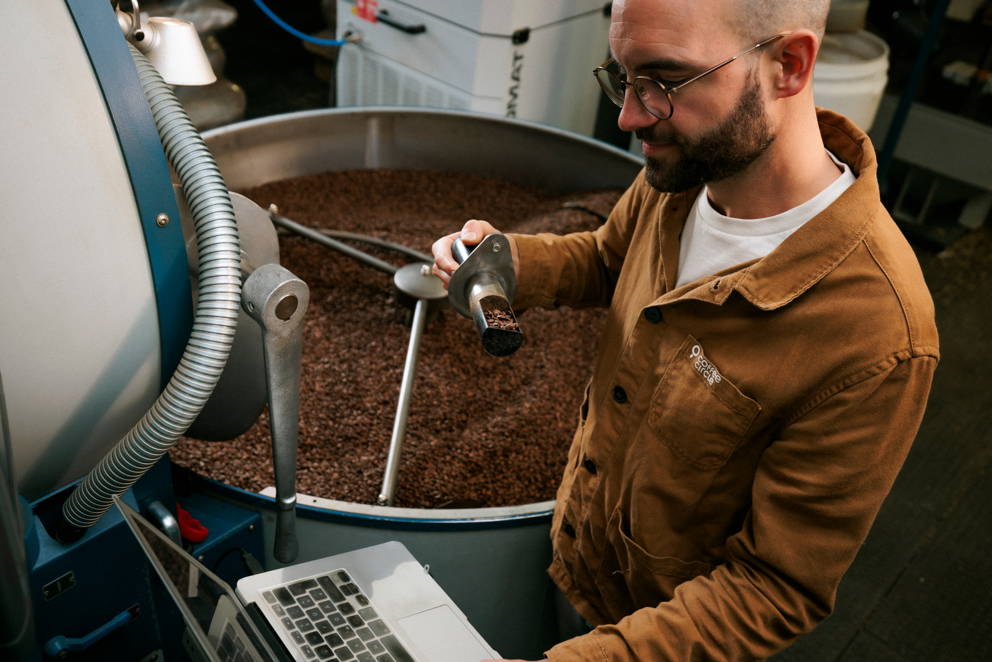
In our Berlin roastery, craftsmanship merges with state-of-the-art technology. Our master roasters create precise roasting profiles that bring out the unique character of each bean using a gentle drum roasting process.
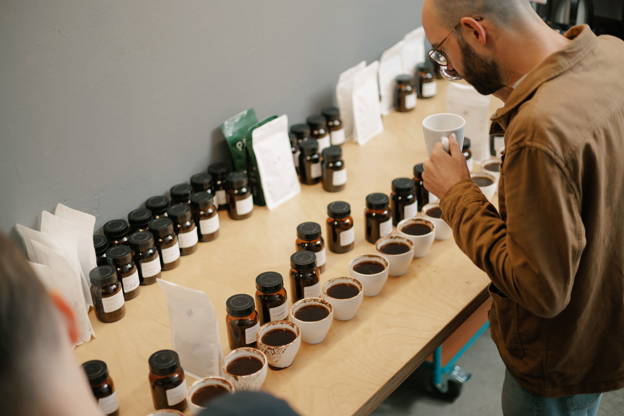
Every week, all coffees are subjected to a quality control – in a professional process called cupping. We assess taste and aroma according to international standards. So you can be sure: Every cup contains uncompromising quality – hand-picked and checked by experts.
We drive sustainable change in the growing regions and support research on the climate resilience of coffee in order to secure the income of coffee farmers and their families in future generations. With your purchase you support us. You can find more information on our social projects page.