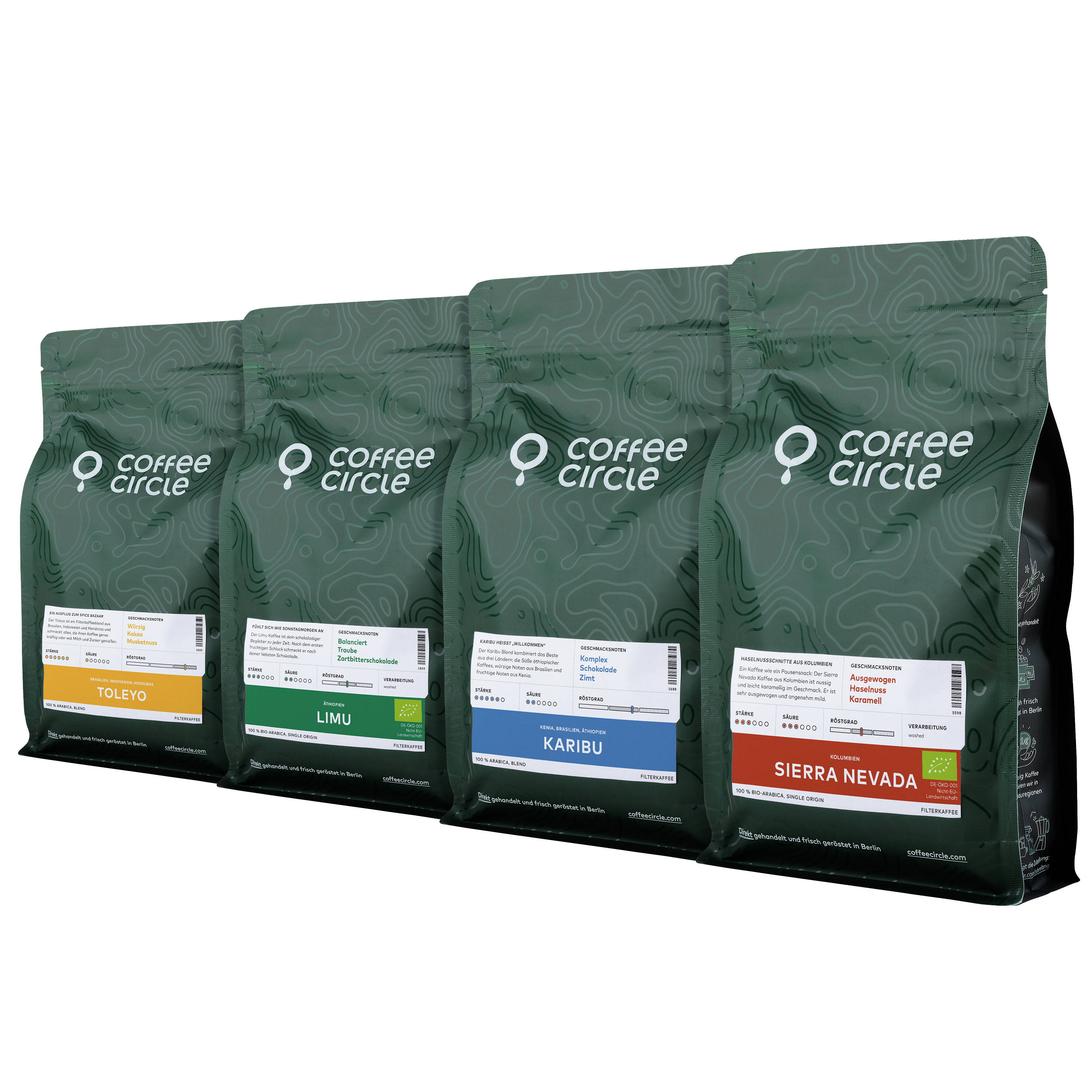
These 4 coffees are recommended by our roast master Hannes for the popular brewer.
€43.60
€43.60/kg incl. VAT Delivery 1 to 3 days in 🇩🇪.
Coffee in setToleyo, Limu, Karibu, Sierra Nevada
Quantity4x 250 g
Your purchase directly affects positive social change in the coffee-growing regions. We invest €1 per kg of coffee sold with our Coffee Circle Foundation e.V. in projects for sustainable coffee cultivation, education and clean drinking water. The farmers who grow your coffee with dedication can rely on long-term partnerships and receive prices far above the market average.
Together we are creating a better future – bean by bean.
We charge €4.90 shipping costs. Free shipping for orders with an order value of € 39 and above. Delivery in 1 to 3 working days in Germany. Except for large appliances, orders are dispatched by DHL. In any case, you will receive a tracking link from us for your order.
Everything else about shipping to other countries, delivery to Packstation & post office, customs dues and more under
Our Highlights for the French Press
Full Flavor, No Fuss
The French Press is probably the simplest way to enjoy coffee in all its richness: strong, aromatic, and with a velvety body. With this set, you get the perfect selection of coffees that unfold their full strength in the French Press – ideal for cozy breakfasts, long Sundays, or any little break in between.
What Makes the Coffees in This Set Special?
Sierra Nevada is your everyday companion for any occasion: pleasantly strong, nutty, and caramel-like.
Limu brings grape and chocolate together – with a little acidity, sweet notes, and a touch of freshness.
Toleyo tastes like a trip to the spice bazaar: strong, spicy, and low in acidity. Simply a coffee with real character.
Karibu combines chocolatey sweetness and spicy cinnamon into a harmonious yet exciting character.
Tips for Preparation in the French Press
For many decades, the French Press has been one of the most popular brewing methods. It’s easy to use, quick to clean, and doesn’t require a paper filter.
You’re wondering how the preparation works?In our Brew Guide you’ll find all the details.
Our recipe recommendation:
Amount of Coffee: 65 g
Grind: Medium – Coarse
Amount of Water: 1 L
Temperature: 96 °C
Brewing time: 4 min
A Rich Dream of Chocolate and Nuts
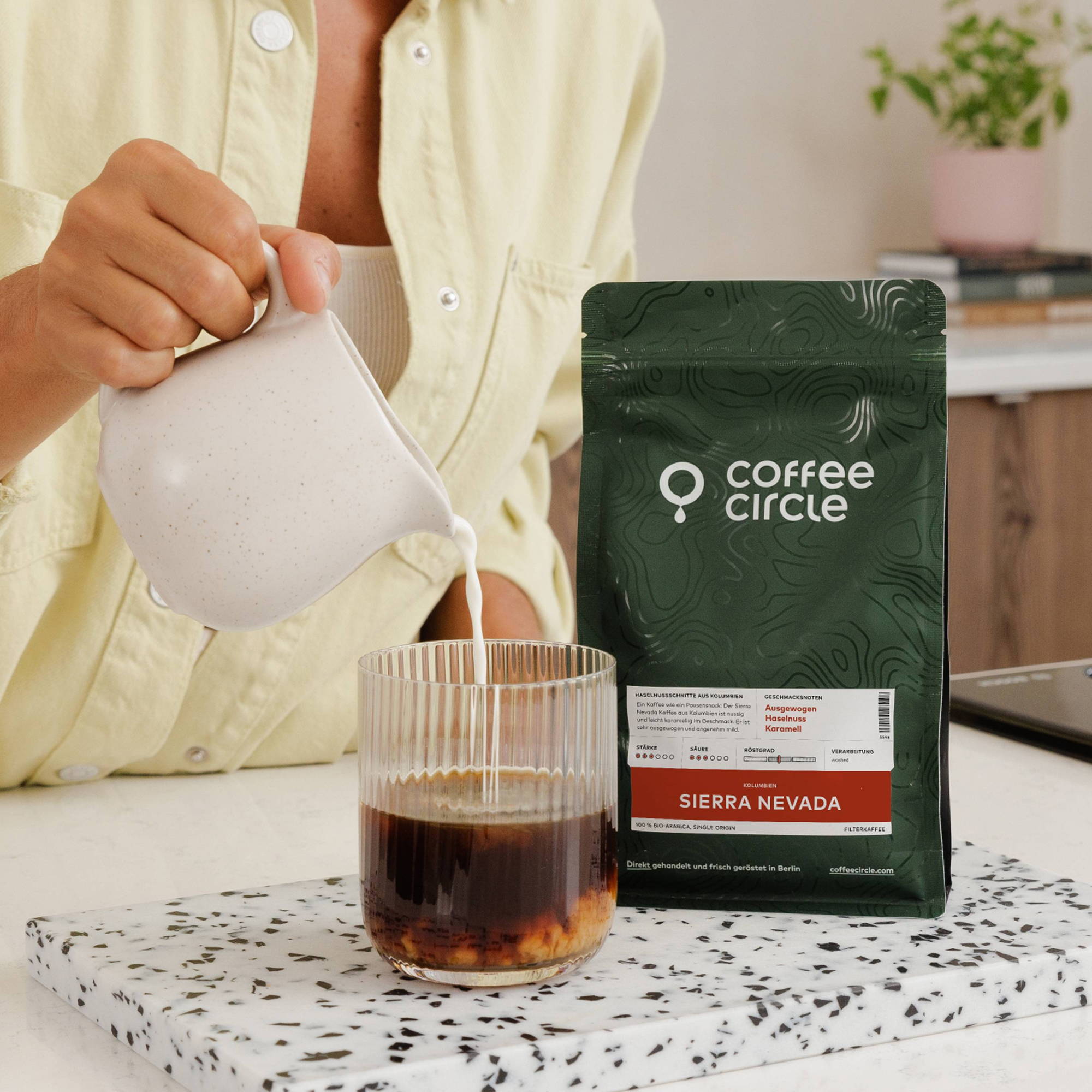
Like a mild morning in your favourite place – familiar and balanced. Sierra Nevada tastes just like you would imagine a good cup of coffee to taste: a little nutty, a little chocolatey and pleasantly strong.
Tips for Preparation
Whether you want to serve it to coffee nerds or enjoy it on a relaxed afternoon with your loved ones, Sierra Nevada always tastes great and can also be enjoyed with milk (or milk alternatives). It works particularly well in a coffee machine, hand filter or French press.
A Colombian Single Origin with Character
Sierra Nevada is a single origin – the beans come exclusively from one region, in this case Nariño in Colombia. The typical Colombian flavour of hazelnut and fine caramel wonderfully highlights the character of this special growing region. Do you prefer a balanced flavour that is still full of character? You can rely on this 100% Arabica: its washed processing produces a low-acid coffee with a particularly clear, delicate flavour that fits perfectly into everyday life.
Coffee Cultivation with Eyes on the Future
This single origin coffee comes from the Colombian cooperative Alianza Café, which takes a forward-looking approach to agriculture. Alianza Café works with international scientists to make coffee cultivation more sustainable, innovative and environmentally friendly. The goal? The best quality, fairly produced – always with the aim of farming in harmony with nature. Alianza Café not only gives local farmers fair wages, but also access to knowledge and technologies so they can take control of their own future.
Sierra Nevada is the epitome of a good cup of coffee – full of character, mild and low in acidity. The best thing about it? It always tastes good and is your faithful companion through the ups and downs of everyday life.
Colombia
Alianza Café Cooperative
In the Colombian mountains of Nariño, at altitudes of up to 2,100 metres, the Alianza Café cooperative is committed to sustainable agriculture. Together with scientists and universities, it is working on environmentally friendly cultivation methods and giving over 100 farmers access to knowledge, technology and fair pay – for sustainable progress in coffee cultivation.
Like a good friend, you can rely on Limu. Its smooth taste never lets you down: Limu is mild, slightly fruity and has a subtle chocolate note. As a reliable all-rounder for every day, it is easy to prepare and always just right.
Tips for Preparation
Whether you use a manual filter, French press or coffee machine, Limu always turns out well. And since it tastes just as good on its own as it does with a dash of milk (or milk alternative), you can enjoy it in a variety of ways, depending on what you feel like.
Coffee from the Forest Gardens of Ethiopia
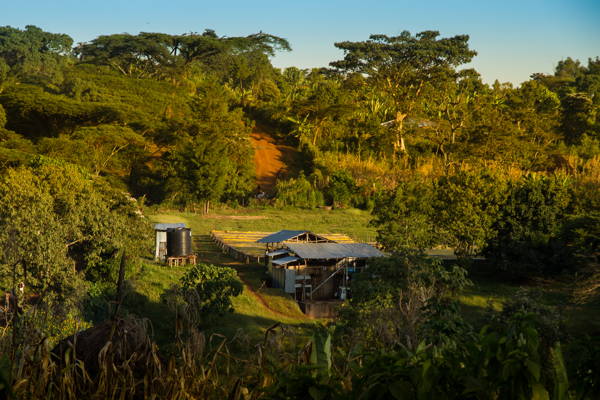
As a single origin coffee, Limu comes from a single region and reflects the special growing conditions there. In Ethiopia, coffee is often still grown in shady forest gardens – on nutrient-rich, natural soils, surrounded by native vegetation. In the highlands of the country, at altitudes of over 2,000 metres, the coffee cherries also ripen more slowly, allowing the coffee to develop its complex aroma and a fine, pleasant acidity.
No matter how you drink it, Limu is a reliable, uncomplicated coffee that will delight you every day.
Working Together for Better Coffee – for 15 Years
We source Limu, our very first coffee, from the region of the same name in south-western Ethiopia. We have been working with the Kenissa cooperative for 15 years and, thanks to your donations, are investing in the region. Through a joint project with Welthungerhilfe, for example, they have been able to improve their cultivation methods and build a new washing station with environmentally friendly technology. In addition, quality trainers support the employees during harvest time to further improve quality. Since then, the farmers have been able to achieve better prices and invest more in the long term – in their farms and their future.
Ethiopia
Kenissa Cooperative
The Kenissa Cooperative is located in the Limu region in southwestern Ethiopia at an altitude of over 2,000 metres. Around 300 families grow coffee here naturally and sustainably in shady forest gardens. We have been working with the cooperative for 15 years and are investing in the region together with you. In cooperation with Welthungerhilfe, not only has a more environmentally friendly washing station been built, but cultivation methods have also been sustainably improved – for a better future.
Toleyo has a strong, spicy and low-acid flavour – a coffee with character. The 100 % Arabica blend brings plenty of power, intense cocoa notes and a hint of nutmeg to your cup.
Tips for Preparation
Toleyo is suitable for all methods of filter coffee preparation and fully automatic machines. It works particularly well in a classic filter coffee machine or French press. But fans of hand filters, Chemex or AeroPress will also get their money's worth. Whether pure, with milk (or milk alternatives) or a little sugar, Toleyo always tastes great – strong, harmonious and with lots of personality.
A Blend with Strong Character and Rich Crema
Grano Gayo is an espresso blend with character – and four countries of origin that could hardly be more harmonious. The coffee from Colombia provides the strong base note: nutty, caramelised and balanced – exactly what you want from a classic espresso. Peru adds the delicate sweetness of dark berries, giving the blend a playful lightness. The contribution from Ethiopia reinforces these nuances with its typical fruity sweetness.
The dark blend is rounded off by beans from Honduras, which provide a chocolatey aftertaste. The result? A low-acid espresso with a rich crema, without any frills.
Three Times Handcrafted, One Blend
Toleyo, a 100% Arabica blend, combines the best of Brazil, Indonesia and the Democratic Republic of Congo.
In Brazil, we work with the APAS cooperative in the south-east. The farmers carefully harvest and select the coffee cherries by hand and leave them to dry in the sun – this is how the nutty, chocolatey notes typical of Brazil develop.
Musfaha Mandiri and its farmers supply the Indonesian piece of the puzzle from the highlands of Sumatra. Their beans undergo an unusual processing method: the wet hulled process typical of the country. This involves hulling the coffee while the beans are still moist – usually, hulling is done when the beans are dry. The beans are then air-dried.
The wet hulling process is typical for regions with high humidity, because normal drying would take an extremely long time there.
By hulling the beans early while they are still moist, the drying process can be accelerated – this is important because the humid climate would otherwise promote mould growth and quality loss. This type of processing emphasises the flavour and ensures a low-acid result. The coffee contributes a spicy, slightly earthy depth to the blend.
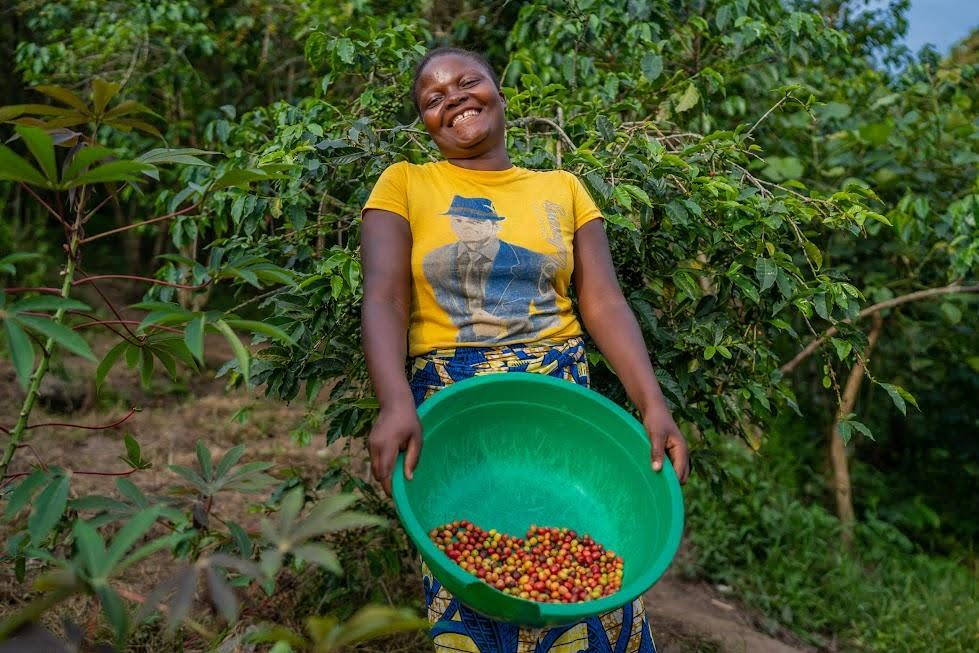
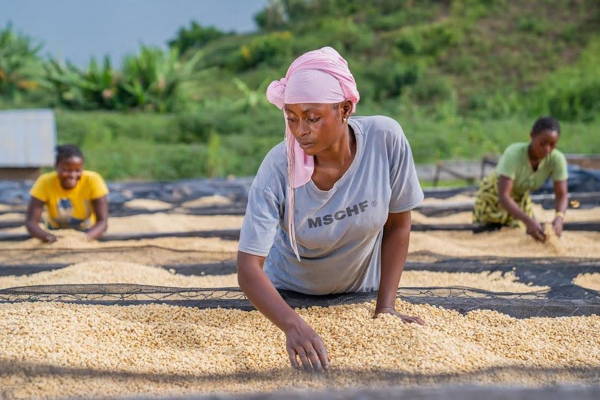
The Congolese portion is produced by the Rebuild Women's Hope (RWH) cooperative. RWH operates four washing stations where the coffee cherries are processed after harvesting. The cherries are first pre-sorted by hand, then the pulp of the coffee cherry is separated from the bean and the beans are cleaned of the remaining pulp in a water tank. Finally, they are dried on raised beds for about 14 days. This type of washed processing rounds off the blend with nutty-sweet notes and a subtle spiciness.
Different Origins, United for Exceptional Coffee
Since 2018, we have maintained a close partnership with the Brazilian cooperative APAS, with whom we share the same commitment to exceptional quality and fair production conditions. Today, 71 farmers belong to the organisation. Together, they focus on quality, craftsmanship and sustainable methods, from harvesting to processing.
The Indonesian portion of the blend comes from the north of Sumatra. There, the coffee is grown by over 600 farmers, mainly at altitudes of 1,600–2,000 metres. Coffee farmer and exporter Musfaha Niaga Mandiri has been working closely with the farmers for years, monitoring all processes to deliver consistently exceptional quality and continuously improve it.
We source the third component for Toleyo from the Congolese cooperative Rebuild Women's Hope (RWH), which was founded in 2013 by Marceline Budza, a human rights activist, and has been run by her ever since. The female-led organisation is committed to strengthening women's rights in Congo, enabling female coffee farmers to achieve economic independence and giving them decision-making power. A good standard of living for the entire community – that is their vision. The cooperative is currently investing in the construction of a women's centre and a hospital.
Toleyo tastes like a trip to the spice bazaar – a chocolatey, spicy Arabica blend with personality. This fine yet strong coffee is an absolute must, especially for fans of café crème or milk drinks.
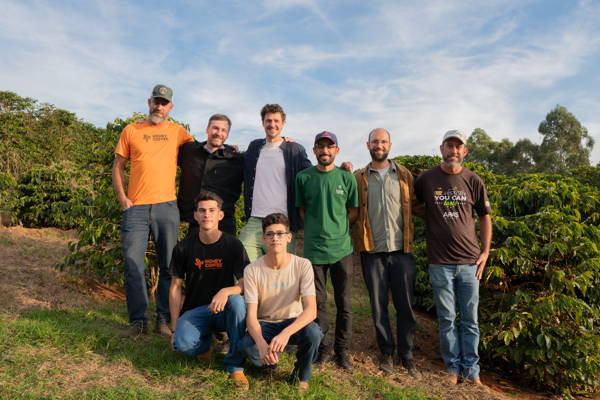
⌙ Martin, Hannes and Robert with coffee farmers from APAS and their family
Brazil
APAS Cooperative
The APAS cooperative in Minas Gerais, Brazil, brings together 67 dedicated farmers, including Alessandro and Ademilson. We have been working closely with them as equal partners since 2018. At an altitude of 1,150 metres, they farm sustainably – with a lot of manual labour, care and natural methods. Their goal: to create quality that values both people and nature equally.
Location
São Gonçalo do Sapucaí, Mantiqueira de Minas, Brazil
Rebuild Women's Hope was founded in 2013 on the island of Idjwi in Lake Kivu by human rights activist Marceline Budza. Inspired by the resilience of her own mother, who raised her four daughters alone, she made it her mission to find practical ways to bring about lasting change in the lives of women in rural areas. The cooperative specifically strengthens women's rights in the DR Congo, promotes their independence and invests in education and health. Today, it is a beacon of hope for entire communities.
In northern Sumatra, over 600 farmers working at altitudes of 1,350 metres and above collaborate closely with coffee farmer and exporter Musfaha Mandiri. At his Mena Gold farm, the coffee is processed using the wet hulled method typical of the country – this accelerates drying in the humid climate and preserves quality.
Karibu is the golden standard of the coffee world: smooth yet aromatic, harmonious and always exciting. It tastes of fine chocolate with a hint of cinnamon and is very low in acidity.
Tips for Preparation
Karibu tastes best when brewed using a classic filter coffee machine or French press. This high-end blend is ideal for fans of complex, exciting flavours who like to enjoy their coffee pure.
The Best of Three Coffee Regions
This high-quality 100% Arabica blend combines the best characteristics of three coffee regions: Ethiopian sweetness reminiscent of dark chocolate, Brazilian spice that gives the coffee depth, and Kenyan fruitiness that gently shines through in the finish.
⌙ Martin, Hannes, and Robert with coffee farmers at APAS 2025
Working Together for Quality – and Better Prospects for the Future
The Brazilian component comes from the APAS cooperative, which has created a high-quality APAS blend especially for us. We have maintained a close partnership with the organisation, which now includes 71 farmers, since 2018. Together, they focus on quality, craftsmanship and sustainable methods – from harvesting to processing.
The Ethiopian component comes from the region around Agaro in western Ethiopia, from the Buture cooperative, with which we have already collaborated on our local projects. Together, we have invested in a washing station, enabling the 630 farmers to produce and export washed coffee.
Kenyan coffee comes from the Rungeto cooperative, an association of over 850 coffee farmers. The SL28, SL34 and Ruiru 11 varieties grow at an altitude of around 1,750 metres. They are cultivated on volcanic soil with a high phosphorus content, which gives them their typical Kenyan liveliness.
The coffee cherries are delivered to one of three washing stations, including the Kii Factory, located at the foot of Mt. Kenya. Since 1995, it has been processing specialty coffee with a clear focus on quality. The fresh glacier water of the Kii River, fed by the snow-capped peaks of Mt. Kenya, is used to process the cherries. In recent years, the cooperative has invested specifically in improving its processing methods with the aim of further enhancing the exceptional quality of its coffees.
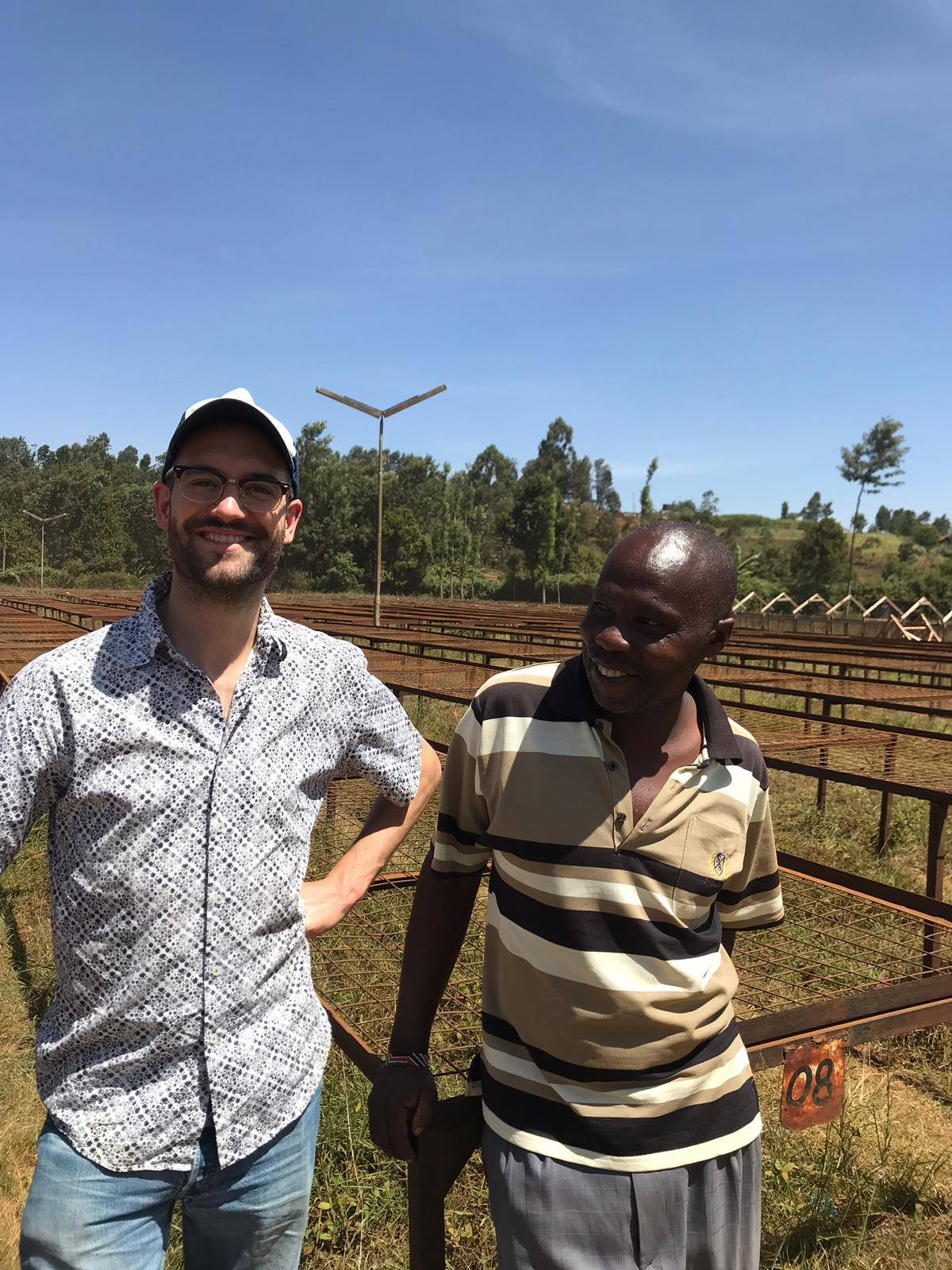
⌙ Hannes with a worker from the Rungeto Cooperative
Karibu strikes just the right balance: smooth, full-bodied and well-rounded. This low-acid filter coffee will delight you every day.
Ethiopia
Buture Cooperative
630 farmers and a whole lot of passion: at the Buture Cooperative in Limu, coffee is grown traditionally at an altitude of 2,050 metres. Thanks to our collaboration, a dedicated washing station has been built – since then, the farmers have been able to export high-quality washed coffee themselves. A real milestone.
⌙ Martin, Hannes and Robert with coffee farmers from APAS and their family
Brazil
APAS Cooperative
The APAS cooperative in Minas Gerais, Brazil, brings together 67 dedicated farmers, including Alessandro and Ademilson. We have been working closely with them as equal partners since 2018. At an altitude of 1,150 metres, they farm sustainably – with a lot of manual labour, care and natural methods. Their goal: to create quality that values both people and nature equally.
Location
São Gonçalo do Sapucaí, Mantiqueira de Minas, Brazil
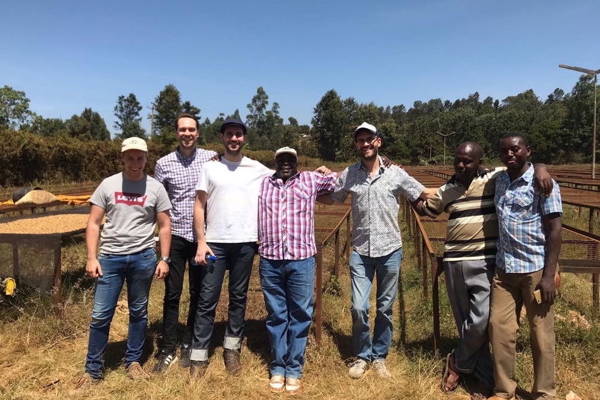
⌙ Ersin, Leo and Hannes with farmers from the Rungeto cooperative
Kenya
Rungeto Cooperative
The Rungeto Cooperative brings together over 850 farmers and operates three washing stations at the foot of Mt. Kenya, including the Kii Factory. At an altitude of 1,750 metres, the coffee is grown on volcanic soil and processed using fresh glacier water. Since 1995, the cooperative has been synonymous with consistent quality in Kenya.
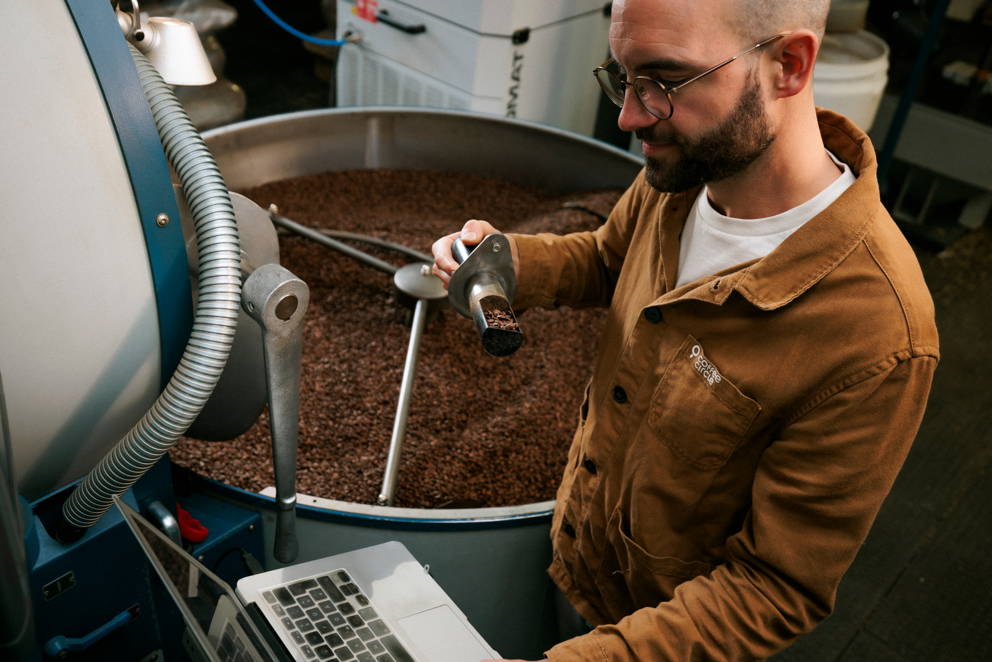
In our Berlin roastery, craftsmanship merges with state-of-the-art technology. Our master roasters create precise roasting profiles that bring out the unique character of each bean using a gentle drum roasting process.
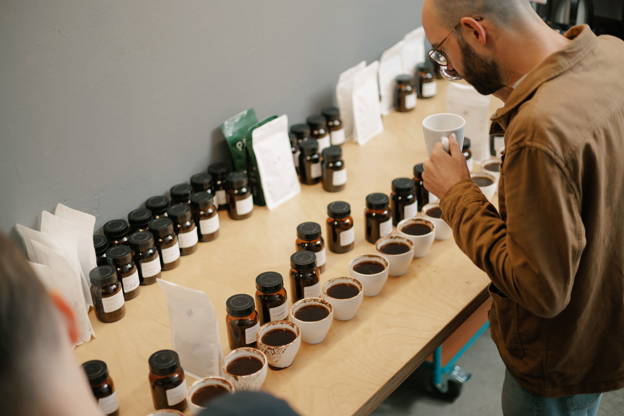
Every week, all coffees are subjected to a quality control – in a professional process called cupping. We assess taste and aroma according to international standards. So you can be sure: Every cup contains uncompromising quality – hand-picked and checked by experts.
We drive sustainable change in the growing regions and support research on the climate resilience of coffee in order to secure the income of coffee farmers and their families in future generations. With your purchase you support us. You can find more information on our social projects page.