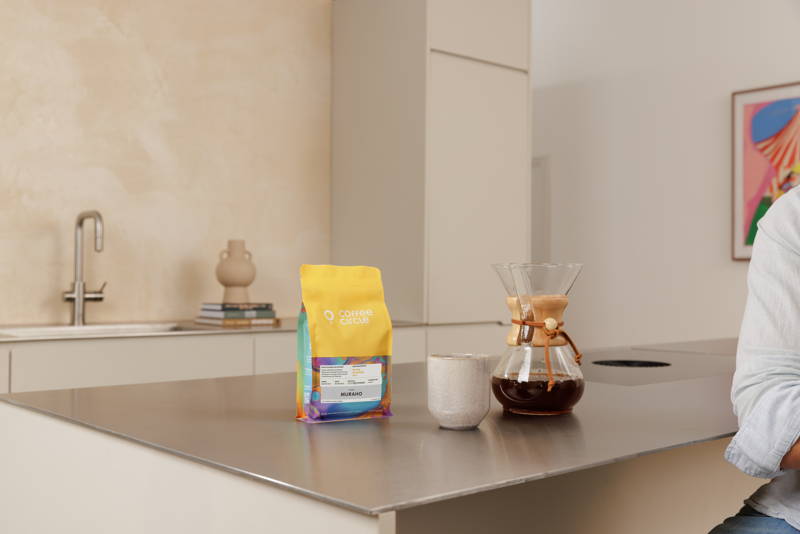
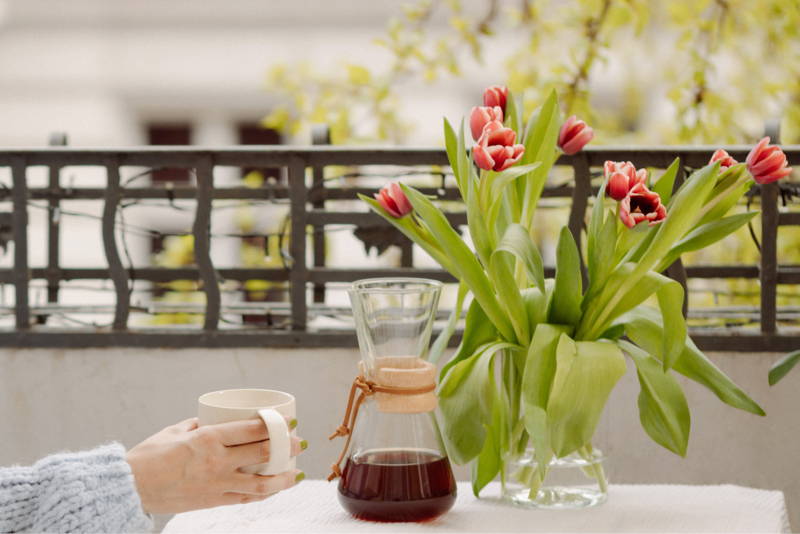
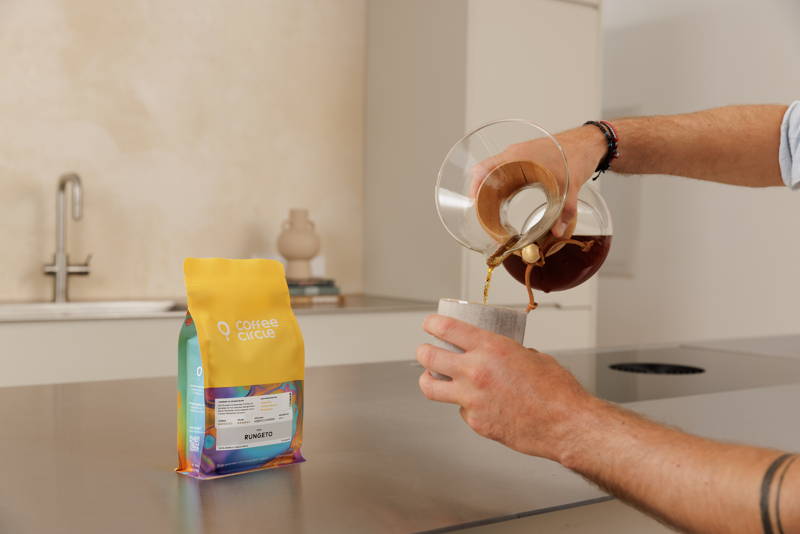
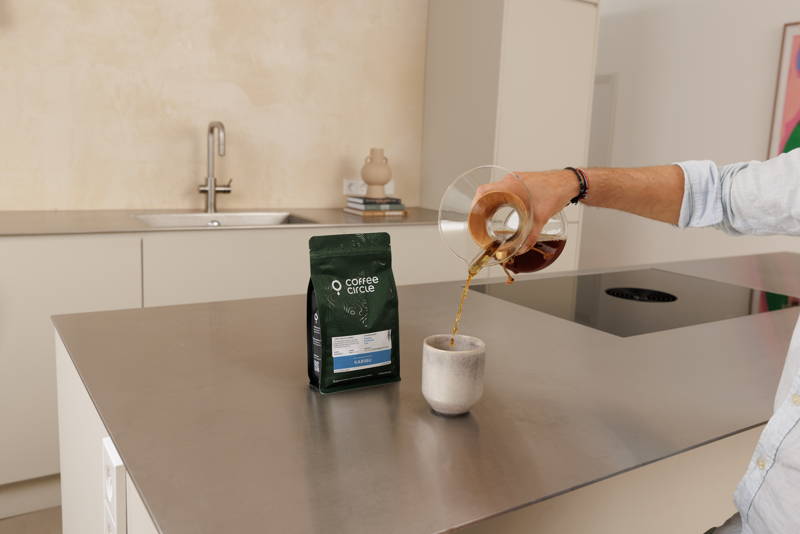
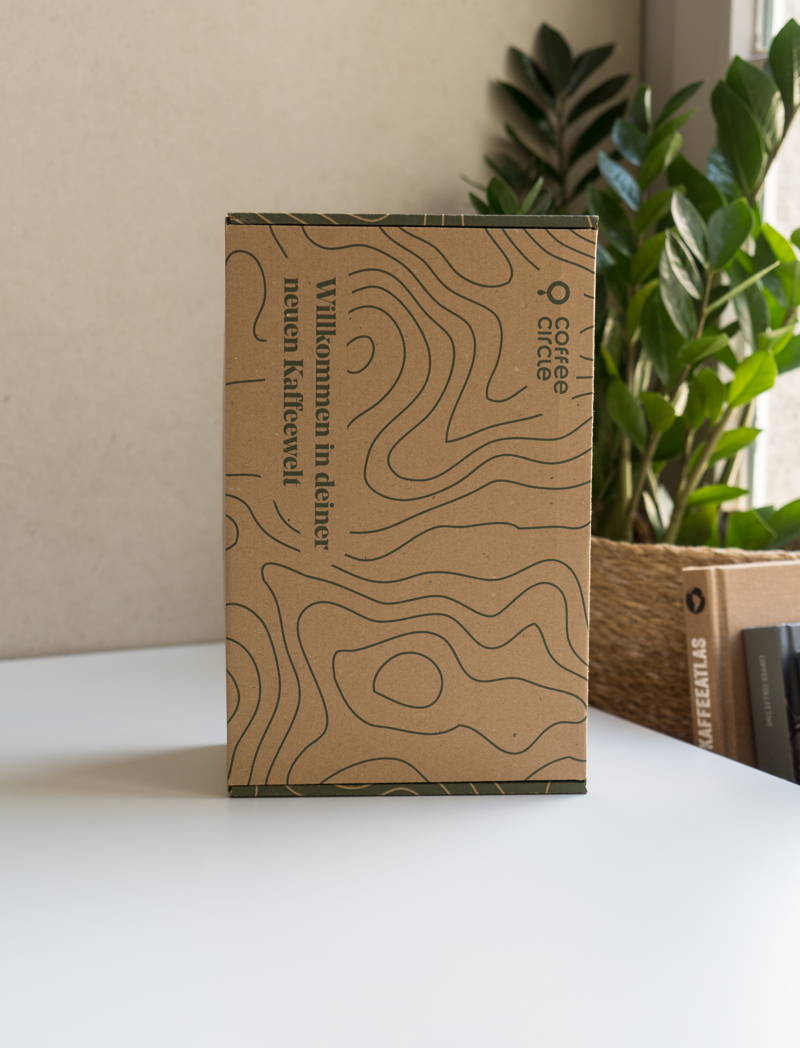
The Chemex is famous for its iconic design—and for filters that are so fine-pored that they produce particularly clear, aromatic coffee. In the Chemex carafe for up to 6 cups, made of high-quality borosilicate glass with a wooden sleeve, you can brew coffee that makes every pour a moment of pleasure. You also get 100 Chemex filter papers and 250 g of coffee of your choice. Everything is packaged in a beautiful gift box.
€62.90
incl. VAT Delivery 1 to 3 days in 🇩🇪.
We charge €4.90 shipping costs. Free shipping for orders with an order value of € 39 and above. Delivery in 1 to 3 working days in Germany. Except for large appliances, orders are dispatched by DHL. In any case, you will receive a tracking link from us for your order.
Everything else about shipping to other countries, delivery to Packstation & post office, customs dues and more under
If your order does not meet your expectations or has arrived incomplete or damaged, we will be happy to help you.
You can simply return or exchange items within 14 days of delivery.
Is there something wrong with your order or would you like to make a warranty claim?
Chemex stands for minimalist design and pure enjoyment. The specially developed filters and glass shape ensure a clear, aromatic, and distinctive taste – cup after cup. In addition, you will receive 250 g of coffee of your choice, beautifully packaged in a gift box – ideal as a gift or for your own enjoyment.
What makes Chemex coffee so special?
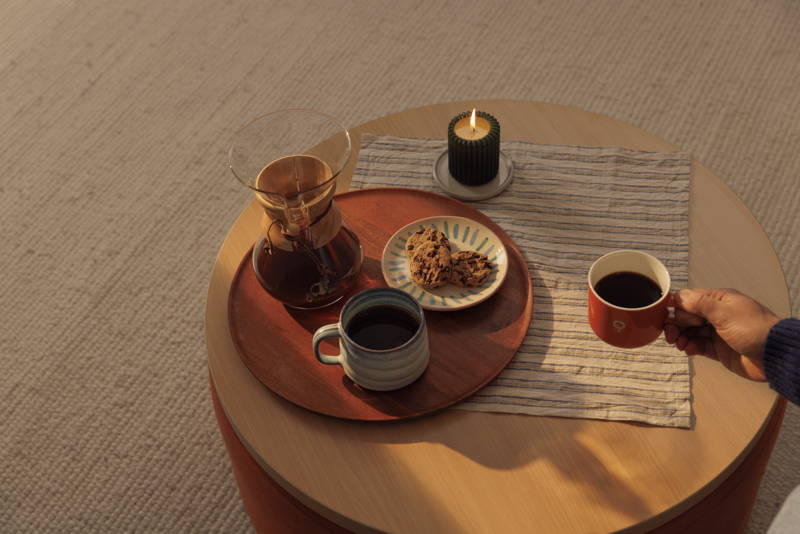
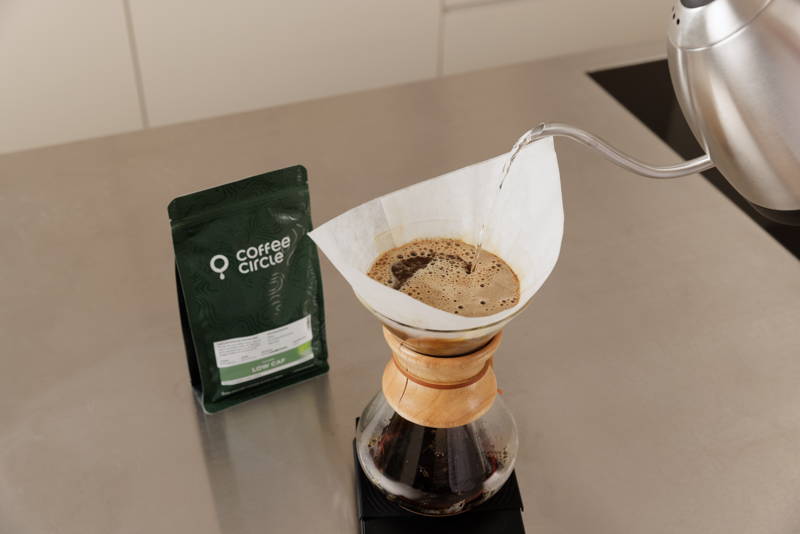
In addition to its innovative carafe, Chemex has launched a completely new type of paper filter. The paper used is 20-30% thicker than conventional filters and has a particularly fine-pored structure. This means that significantly more oils and tiny particles are retained during the brewing process. The result is a very clear, nuanced filter coffee that typically emphasizes the natural sweetness of the coffee. The Chemex allows high-quality coffees to reveal their full flavor potential and is ideal for coffee drinkers who prefer a fine and extremely aromatic coffee.
Legendary design
Its unusual hourglass shape has won numerous awards and earned the Chemex a permanent place in the exhibition at the Museum of Modern Art in New York and a spot in the top 100 modern design products. It was invented by German chemist Dr. Peter J. Schlumbohm. The chemist and coffee lover, who was living in New York at the time, designed the Chemex in 1939, drawing on all his experience in filter techniques and extraction processes. For example, the spout at the top of the jug not only makes pouring easier, but also allows water vapor from the already filtered coffee to escape from the Chemex body past the filter. The carafe is made from a single piece of heat-resistant borosilicate glass and comes with a wooden sleeve that makes it very easy to handle.
Versatile uses
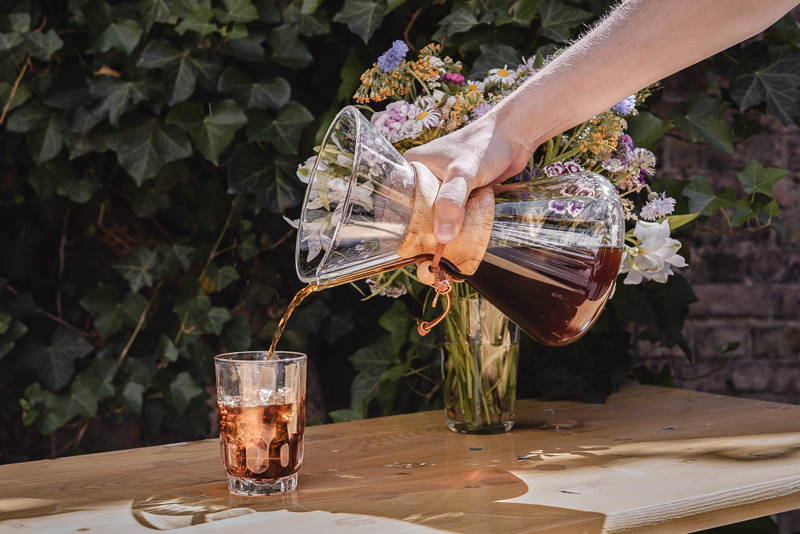
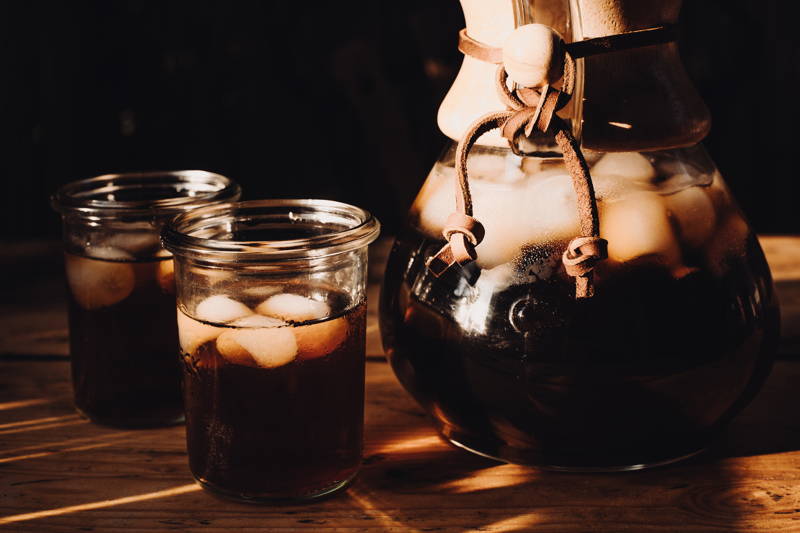
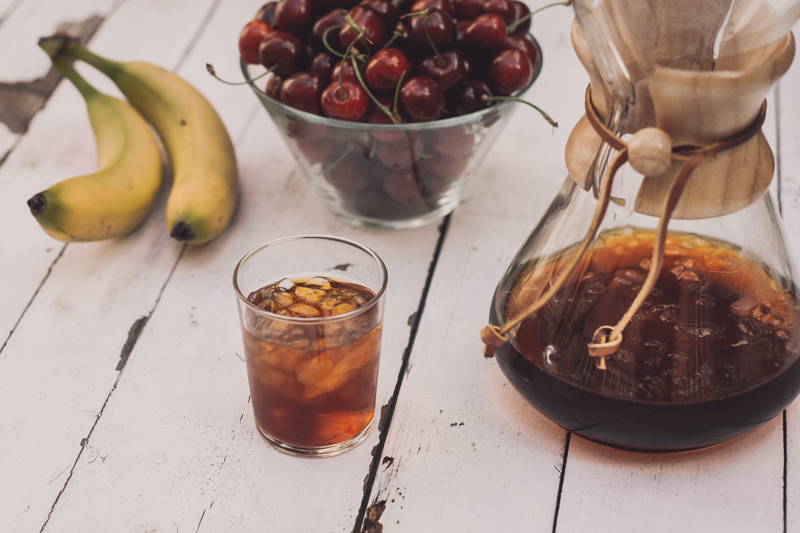
Chemex owners are by no means limited to brewing filter coffee. Of course, the durable glass carafe is also suitable for brewing good teas, as the special glass does not absorb any foreign flavors. It is also possible to brew coffee over ice cubes in the summer: with the so-called “ice brew,” the amount of water is divided in a 50:50 ratio. Half of the water is added to the carafe as ice cubes, while the other half is used to brew the coffee (above the ice cubes). The freshly brewed, hot coffee drips onto the ice and cools immediately. The result is a particularly mild, aromatic coffee that provides refreshing coffee enjoyment even on warm summer days.
The Chemex coffee maker is unique in every way: filter coffee of unparalleled clarity and outstanding design ensure that the Chemex has its own category among our brewing methods, and for good reason.
Looking for the right grinder?
We at Coffee Circle have reviewed and thoroughly tested nine hand coffee grinders to help you find the right one for your needs.
Technical Details

Chemex Carafe 1-3 Cups
Material
Borosilicate glass, wood, leather
Filling quantity
470 ml
Dimensions
(H | Ø belly | Ø opening): 21 | 11 | 8 cm
Weight
310 g
Care
Dishwasher safe, cuff and leather cord can be removed
Design
Dr. Peter J. Schlumbohm
Scope of delivery
Heat-resistant glass carafe, brown wooden sleeve, leather cord
Manufacturer
Chemex® Corp.
EAN
0028068001364
Chemex Carafe 6 Cups
Material
Borosilicate glass carafe, wood, leather
Filling quantity
900 ml
Dimensions
( H | Ø belly | Ø opening ) : 21,5 | 13,5 | 13,5 cm
Weight
520 g
Care
Dishwasher safe, cuff and leather cord can be removed
Design
Dr. Peter J. Schlumbohm
Scope of delivery
Heat-resistant glass carafe, brown wooden sleeve, leather cord
Manufacturer
Chemex® Corp.
EAN
0028068001012
Chemex Carafe 8 Cups
Material
Borosilikatglas, Holz, Leder
Filling quantity
1,18 l
Dimensions
( H | Ø belly | Ø opening ) : 23,3 | 16 | 13,5 cm
Weight
590 g
Care
Dishwasher safe, cuff and leather cord can be removed
Design
Dr. Peter J. Schlumbohm
Scope of delivery
Heat-resistant glass carafe, brown wooden sleeve, leather cord
Manufacturer
Chemex® Corp.
EAN
0028068001029
Chemex Carafe 10 Cups
Material
Borosilicate glass, wood, leather
Filling quantity
1,48 l
Dimensions
( H | Ø belly | Ø opening ) : 23,5 | 16 | 13,5 cm
Weight
700 g
Care
Dishwasher safe, cuff and leather cord can be removed
Design
Dr. Peter J. Schlumbohm
Manufacturer
Chemex® Corp.
EAN
0028068001036
Like a Cosy Evening by the Fireplace
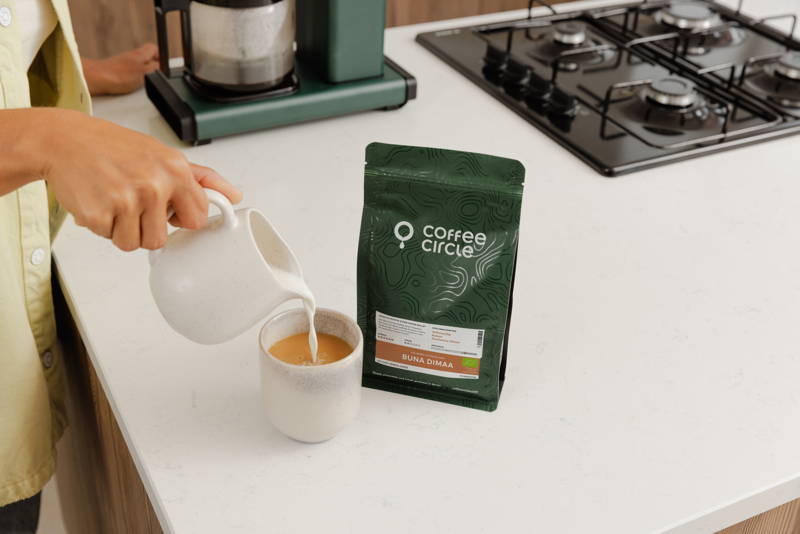
Buna Dimaa tastes like a cosy evening by the fireplace: roasted nuts and creamy cocoa ensure moments of comfort and relaxation. You can expect an intense yet pleasantly low-acid filter coffee that never lets you down – no matter how you combine it.
Tips for Preparation
The dark and classic roast is perfect for those who prefer strong roasted aromas or enjoy their coffee with milk (or milk alternatives) or sugar. Buna Dimaa is best prepared in a fully automatic coffee machine, a classic filter coffee machine or a French press.
A Low-acid, Strong Blend from Three Countries
Buna Dimaa is a blend from three countries: selected beans from Colombia, Ethiopia and Peru have been combined to create the perfect flavour combination.
Around 40 % of the beans come from Colombia and provide the sweet caramel notes. The coffee grows in the highlands of the Sierra Nevada under ideal conditions: certified organic, slowly ripened and particularly low in acidity. Another 40 % comes from the Limu region in Ethiopia. The beans are grown there in forest gardens at an altitude of around 2,000 metres, surrounded by trees and natural vegetation. This ensures a delicate freshness and a slight spiciness that brings the blend to life. The remaining 20% comes from Peru, which also produces excellent quality specialty coffee. The special care and dedication result in beans with a delicate chocolate note that rounds everything off. In the cup, Buna Dimaa has a pleasant nutty and caramel flavour and impresses with its balanced yet strong character.
Sustainable Farming in Harmony with Nature
The beans for Buna Dimaa come from direct collaboration with three selected cooperatives. In Colombia, 88 coffee farmers are part of the Coocafe cooperative, with whom we’ve maintained a close partnership since 2016. Almost a third of the members are women. They grow their coffee organically, place great importance on working in harmony with nature, and work together to improve the livelihoods of their families.
The Ethiopian component of the blend is sourced from the Bikila Ibsa cooperative. A total of 1,138 farmers produce and process the coffee there with great care, by hand and with years of experience – at an altitude of 1,950 metres. Since the construction of a new washing station and the introduction of quality training for producers, the quality of the coffee has improved even further.
The family-run business Negrisa in Peru also places great emphasis on outstanding quality. They have been cultivating specialty coffees for over 15 years. To ensure full control over the quality of their coffee, they have chosen to bring cultivation, processing, and export together under one roof. With passion, experience, and meticulous care, they continue to bring the flavour of Peruvian coffee to the world.
Buna Dimaa is your moment of relaxation and comfort – low in acidity, balanced and proven to be good!
Ethiopia
Bikila Ibsa Cooperative
At an altitude of 1,950 meters in Bikila Ibsa, in north-western Ethiopia, not only exceptional coffee grows – but also hope. 1,138 farmers have joined forces to produce excellent washed coffee. Thanks to your support, we have invested in a new washing station and quality training for producers together with the cooperative – a milestone for the region.
Since 2016, we have enjoyed a close partnership with the Coocafe cooperative. 88 farmers—a third of whom are women—grow coffee here organically, with the aim of bringing nature and family into harmony. The coffee not only carries the EU organic label, but is also a joint effort: for better cultivation and a better life.
From the Chanchamayo region, nestled in the eastern slopes of the Peruvian Andes, the family-run company Negrisa has been bringing the flavour of high-quality Peruvian coffee to the world for over 15 years. With great passion, experience, and care, they continuously strive to maintain the outstanding quality of their specialty coffees.
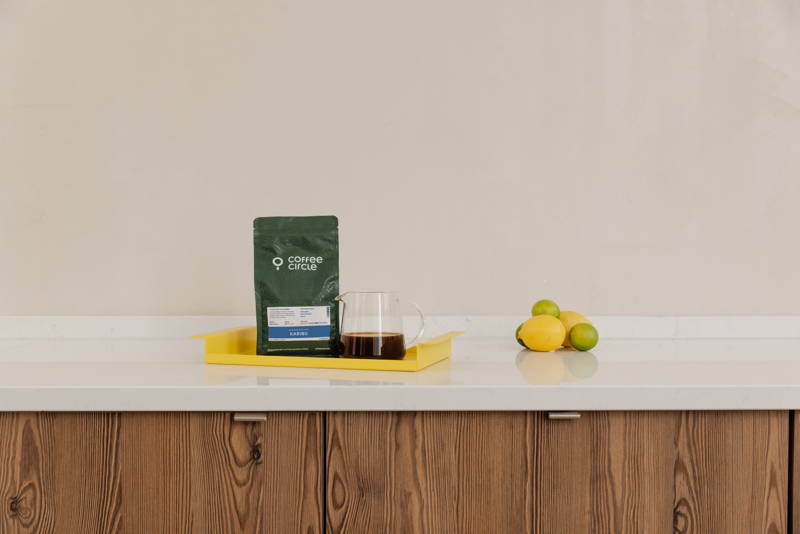
Karibu is the golden standard of the coffee world: smooth yet aromatic, harmonious and always exciting. It tastes of fine chocolate with a hint of cinnamon and is very low in acidity.
Tips for Preparation
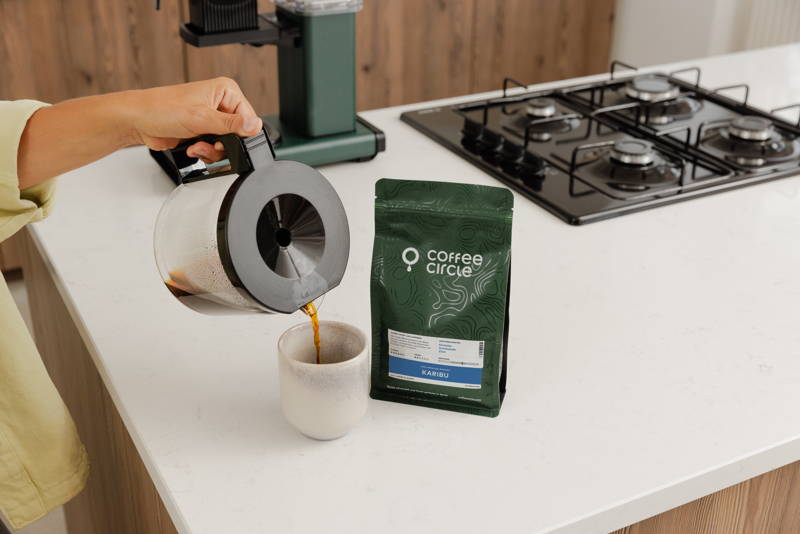
Karibu tastes best when brewed using a classic filter coffee machine or French press. This high-end blend is ideal for fans of complex, exciting flavours who like to enjoy their coffee pure.
The Best of Three Coffee Regions
This high-quality 100% Arabica blend combines the best characteristics of three coffee regions: Ethiopian sweetness reminiscent of dark chocolate, Brazilian spice that gives the coffee depth, and Kenyan fruitiness that gently shines through in the finish.
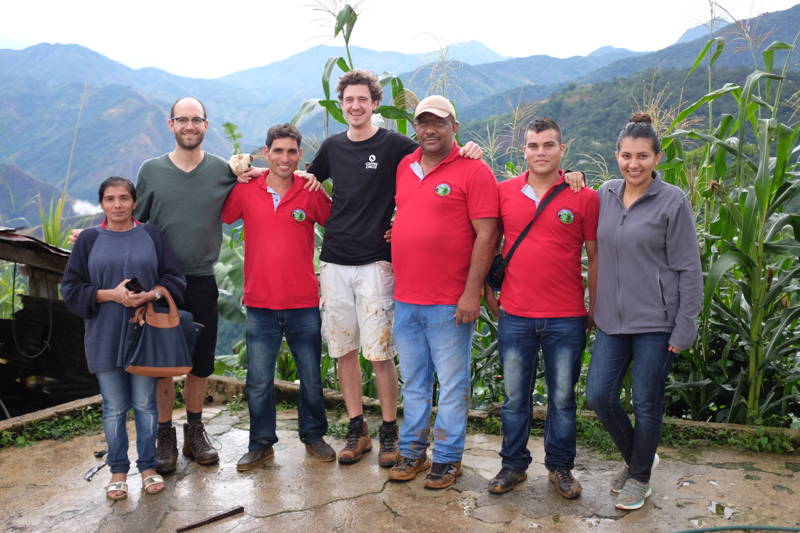
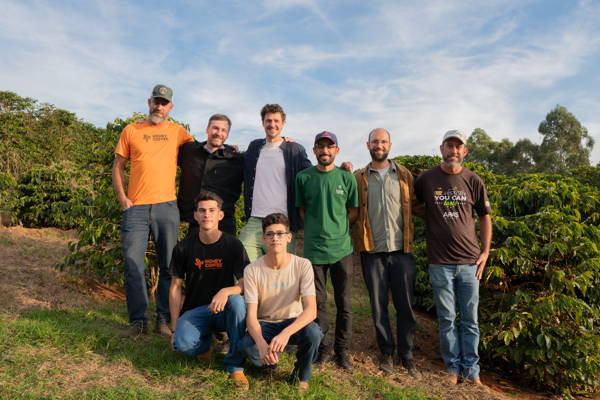
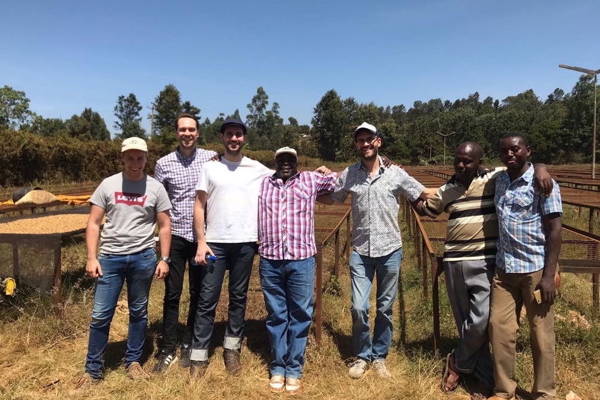
⌙ Martin, Hannes, and Robert with coffee farmers at APAS 2025
Working Together for Quality – and Better Prospects for the Future
The Brazilian component comes from the APAS cooperative, which has created a high-quality APAS blend especially for us. We have maintained a close partnership with the organisation, which now includes 71 farmers, since 2018. Together, they focus on quality, craftsmanship and sustainable methods – from harvesting to processing.
The Ethiopian component comes from the region around Agaro in western Ethiopia, from the Buture cooperative, with which we have already collaborated on our local projects. Together, we have invested in a washing station, enabling the 630 farmers to produce and export washed coffee.
Kenyan coffee comes from the Rungeto cooperative, an association of over 850 coffee farmers. The SL28, SL34 and Ruiru 11 varieties grow at an altitude of around 1,750 metres. They are cultivated on volcanic soil with a high phosphorus content, which gives them their typical Kenyan liveliness.
The coffee cherries are delivered to one of three washing stations, including the Kii Factory, located at the foot of Mt. Kenya. Since 1995, it has been processing specialty coffee with a clear focus on quality. The fresh glacier water of the Kii River, fed by the snow-capped peaks of Mt. Kenya, is used to process the cherries. In recent years, the cooperative has invested specifically in improving its processing methods with the aim of further enhancing the exceptional quality of its coffees.
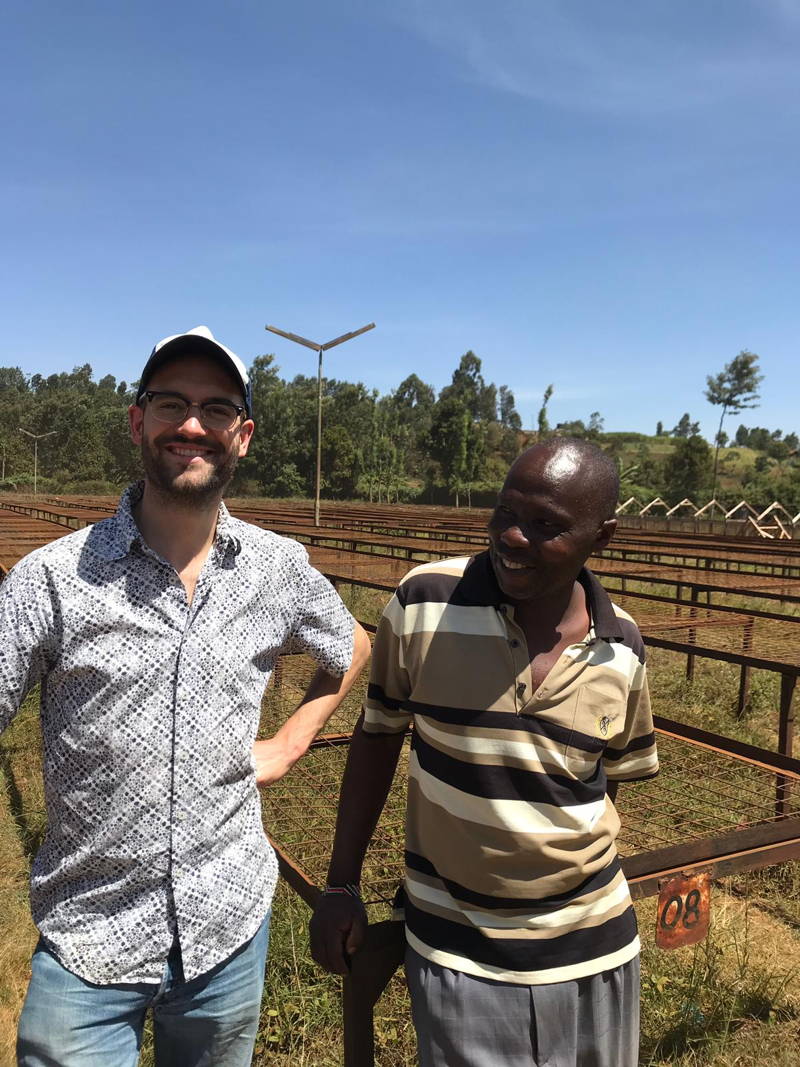
⌙ Hannes with a worker from the Rungeto Cooperative
Karibu strikes just the right balance: smooth, full-bodied and well-rounded. This low-acid filter coffee will delight you every day.
Ethiopia
Buture Cooperative
630 farmers and a whole lot of passion: at the Buture Cooperative in Limu, coffee is grown traditionally at an altitude of 2,050 metres. Thanks to our collaboration, a dedicated washing station has been built – since then, the farmers have been able to export high-quality washed coffee themselves. A real milestone.
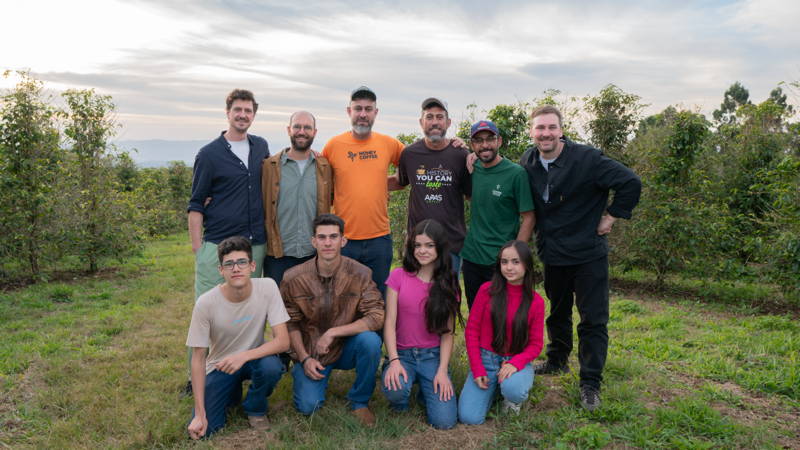
⌙ Martin, Hannes and Robert with coffee farmers from APAS and their family
Brazil
APAS Cooperative
The APAS cooperative in Minas Gerais, Brazil, brings together 67 dedicated farmers, including Alessandro and Ademilson. We have been working closely with them as equal partners since 2018. At an altitude of 1,150 metres, they farm sustainably – with a lot of manual labour, care and natural methods. Their goal: to create quality that values both people and nature equally.
Location
São Gonçalo do Sapucaí, Mantiqueira de Minas, Brazil
⌙ Ersin, Leo and Hannes with farmers from the Rungeto cooperative
Kenya
Rungeto Cooperative
The Rungeto Cooperative brings together over 850 farmers and operates three washing stations at the foot of Mt. Kenya, including the Kii Factory. At an altitude of 1,750 metres, the coffee is grown on volcanic soil and processed using fresh glacier water. Since 1995, the cooperative has been synonymous with consistent quality in Kenya.
If tea were coffee, it would be called Yirgacheffe. This Ethiopian Washed Arabica is our highlight for all those who appreciate fine and complex aromas. Mild and harmonious, this single origin will win you over with its subtle vanilla and blackberry notes.
Harvested and Processed by Hand
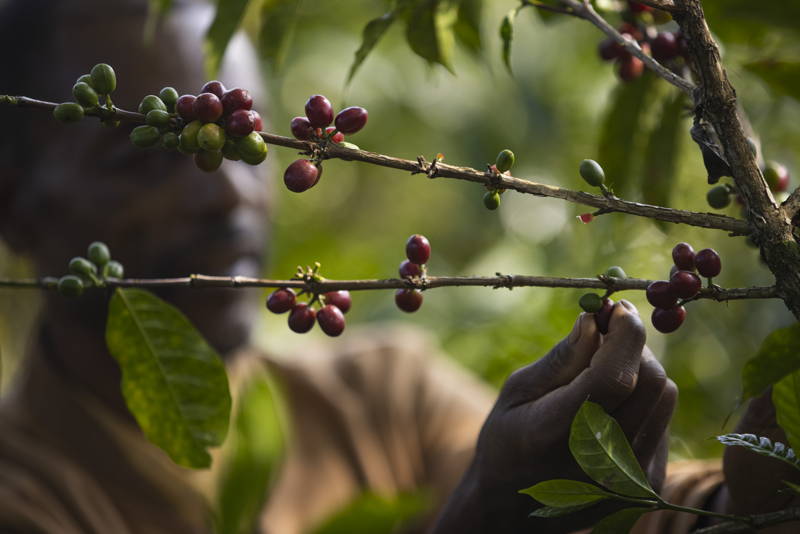
The Koke Cooperative is located in the heart of the renowned Yirgacheffe coffee region in Ethiopia, the namesake of this special Arabica. As part of the Yirgacheffe Coffee Farmers Cooperative Union (YCFCU), it represents around 1,200 farmers. Koke has made it her goal to improve the living conditions of the local community. For example, it invests in the renovation of schools and the provision of learning materials on site. The coffee cherries are harvested and sorted by hand by the farmers. In the washing station, they are separated from the pulp, washed and then dried in the sun with regular and careful turning - this gives the coffee its clear, fine taste profile. A special highlight? The cooperative attaches great importance to ensuring that the beans can be fully traced: from the time of harvest to the end of the preparation process.
Traditional Cultivation in the Interests of Nature Conservation
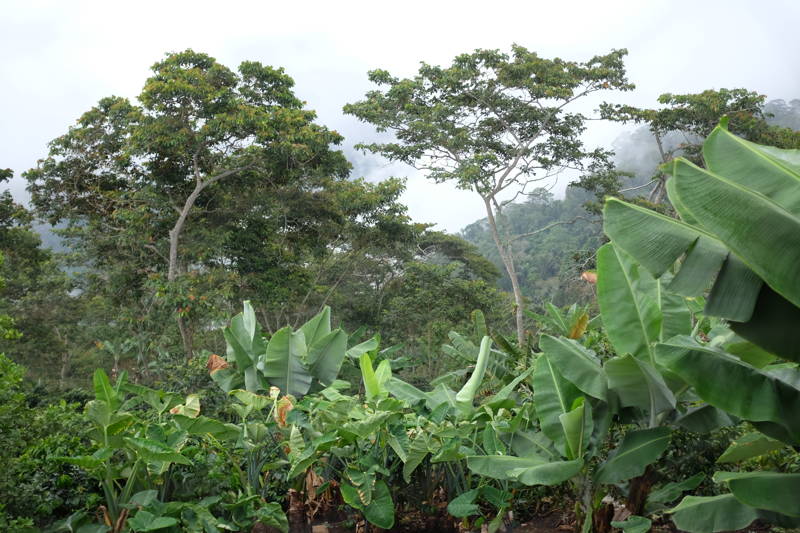
Yirgacheffe is grown in shady forest gardens in the south-western mountains of Ethiopia. Thanks to the cool, high-altitude climate, the coffee cherries ripen more slowly and have more time to develop their characteristic, fruity and spicy flavor. Traditional cultivation in forest gardens also has advantages in terms of nature conservation: the plants have a higher natural resistance to pests, plant and species diversity is preserved and the method of cultivation provides natural protection against erosion.
Yirgacheffe is like a quiet favorite song – you don't hear it, you feel it. Mild, harmonious, and complex, with a gentle vanilla flavor and notes of ripe berries, this Ethiopian washed coffee provides relaxation – every day.
Tips for Preparation
All types of filter coffee preparation are suitable for preparing Yirgacheffe coffee. When prepared with a hand filter, fruity-sweet nuances tend to come to the fore, while a French press, for example, emphasizes floral-spicy aromas. Yirgacheffe is best enjoyed pure, as this allows its flavor to develop optimally.
Ethiopia
Koke Cooperative
The Koke Cooperative is located in the heart of the prized Yirgacheffe region of Ethiopia and brings together around 1,970 farmers. It is part of the larger Yirgacheffe Coffee Farmers Cooperative Union (YCFCU) and is strongly committed to the local community - for example through school renovations. Growing coffee in shady forest gardens protects nature and allows every bean to be fully traceable.
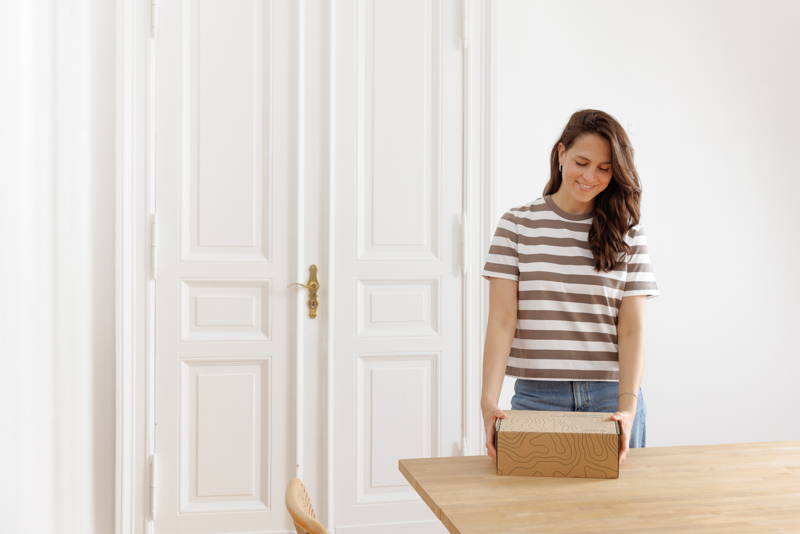
Whether for self-treatment or as a gift for coffee lovers – the products are lovingly packaged and ready to accompany your next coffee adventure.
Freshly and Gently Roasted Every Day
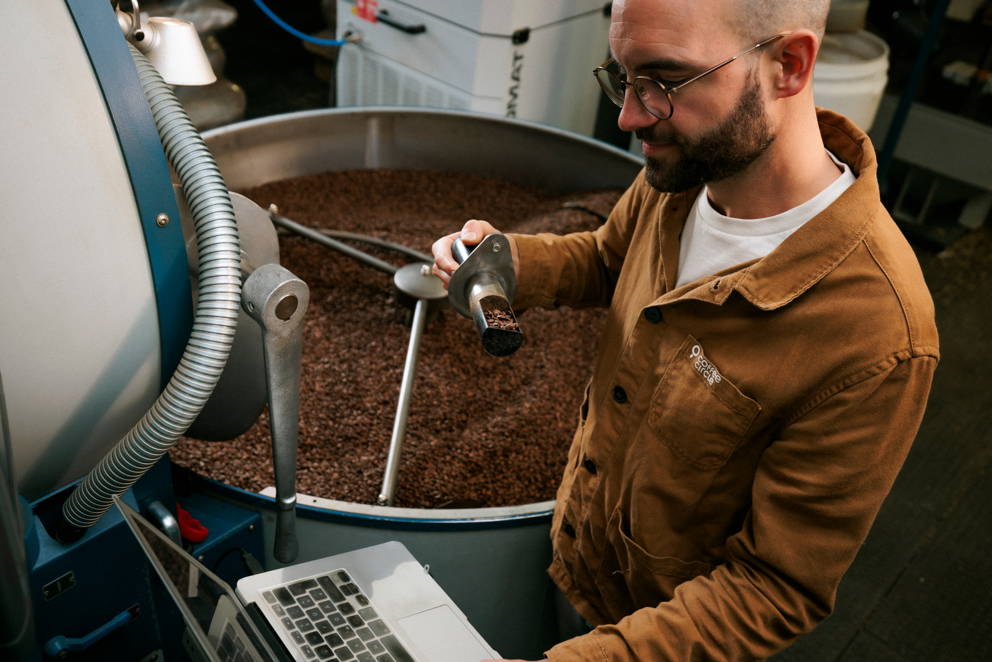
In our Berlin roastery, craftsmanship merges with state-of-the-art technology. Our master roasters create precise roasting profiles that bring out the unique character of each bean using a gentle drum roasting process.
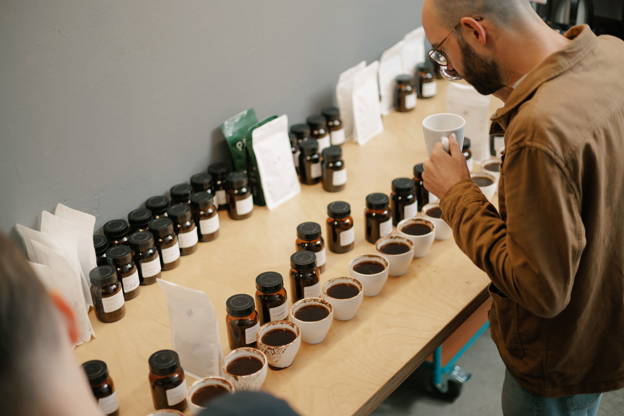
Every week, all coffees are subjected to a quality control – in a professional process called cupping. We assess taste and aroma according to international standards. So you can be sure: Every cup contains uncompromising quality – hand-picked and checked by experts.
We drive sustainable change in the growing regions and support research on the climate resilience of coffee in order to secure the income of coffee farmers and their families in future generations. With your purchase you support us. You can find more information on our social projects page.