Direct Trade or Fair Trade Coffee? Here's why we choose Direct Trade

For more than 10 years, Coffee Circle has been setting new standards in the coffee trade. We are driven by a vision to rethink the coffee value chain—from the source to the freshly brewed cup. Maintaining a close connection with our producers is important to us. That’s why we’ve decided to sell Direct coffee instead of Fair Trade coffee.
What is the difference between Direct Trade and Fair Trade coffee? Fair Trade coffee is certified with the Fairtrade seal, which means it meets international Fairtrade standards. Direct Trade means that the roaster buys the coffee directly from the producers (all middlemen and coffee exchanges are removed from the supply chain).
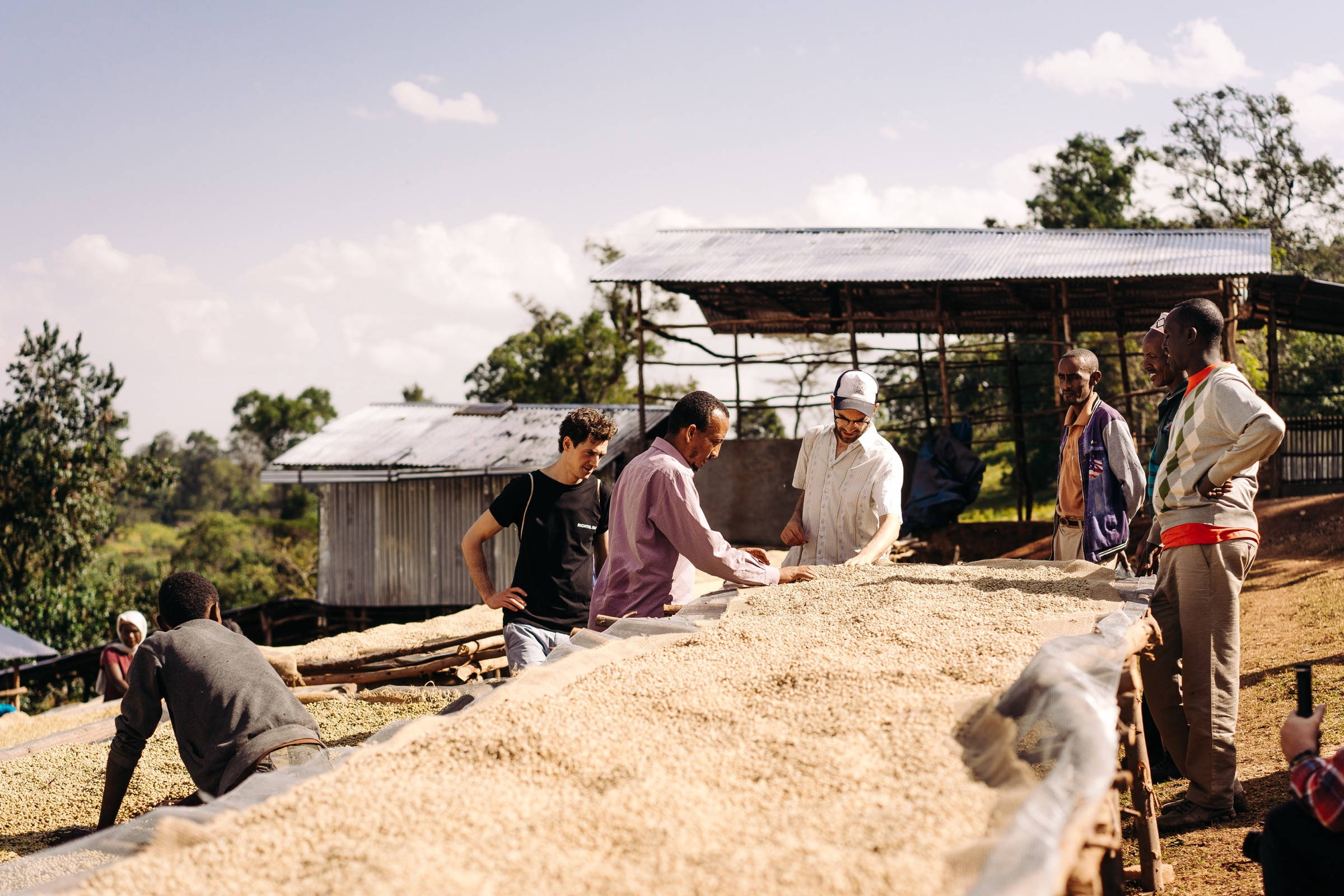
At Coffee Circle, our goal is to make the coffee supply chain as fair and transparent as possible. That’s why we source our coffee ourselves on-site every year and pay prices that are well above the average world market price.
Plus, with every cup of coffee you buy from us, you support our in the coffee-growing regions. For every kilogram of coffee sold, 1 euro goes 100% toward our projects in the regions where our coffee is sourced! Read on to learn why we at Coffee Circle are committed to Direct Trade and what benefits this brings not only to us and our producers, but also to you as a coffee drinker.
Marquee Ticker Sanity Awards
That’s why we at Coffee Circle focus on Direct Trade rather than Fair Trade coffee
When we founded Coffee Circle, we decided to maintain as much control as possible over our coffee sourcing and the compensation paid to farmers and exporters. That was one of the reasons we chose to practice Direct Trade rather than Fair Trade. But what’s the difference?
What is Direct Trade Coffee?
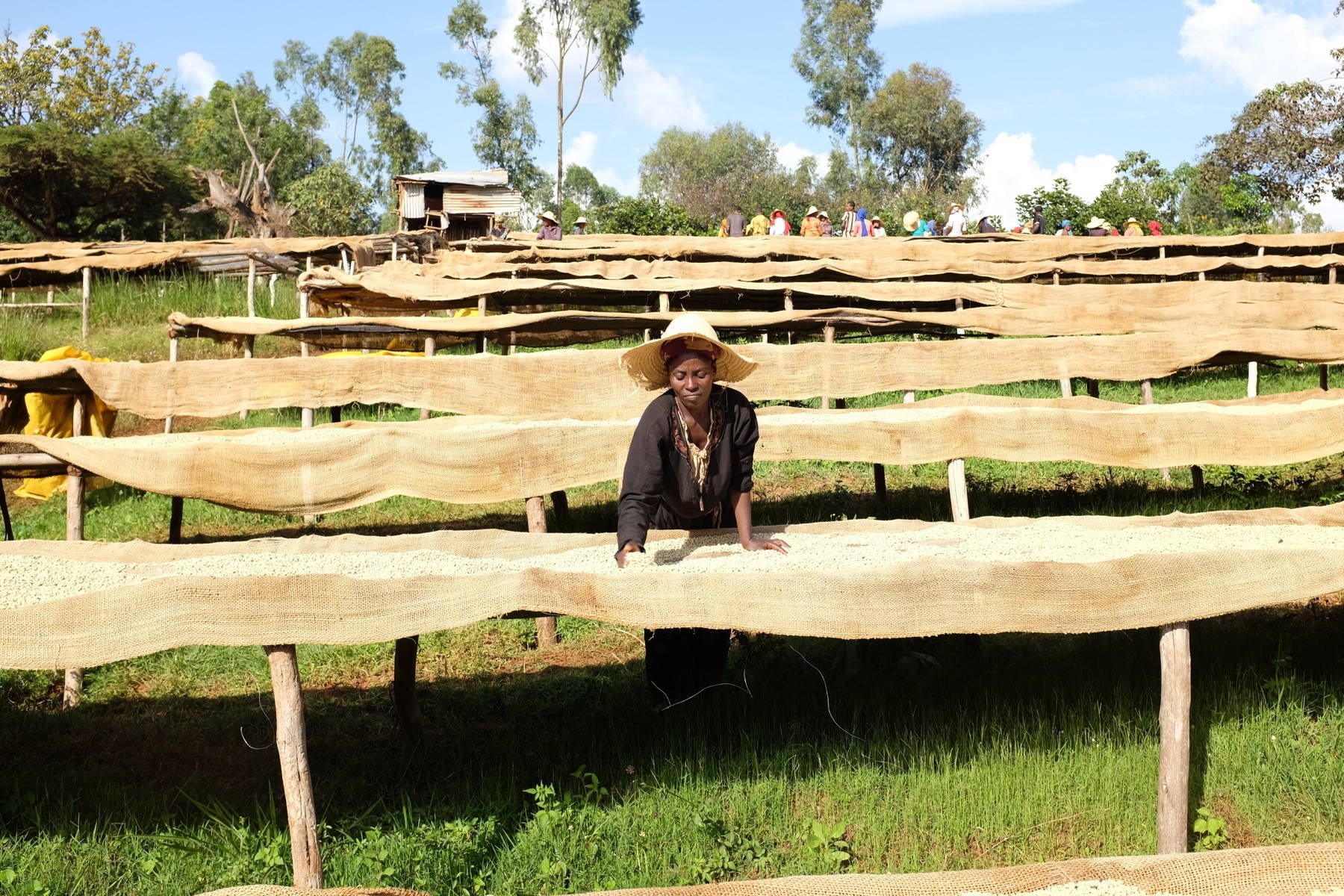
Direct Trade coffee refers to coffee sourced directly from partners, coffee farmers, and exporters. All middlemen and coffee exchanges are excluded from the process. Thanks to direct trade, we at Coffee Circle can:
- precisely control how much money goes to the farmers
- negotiate the payment ourselves
- be certain of which cooperatives our coffee varieties come from
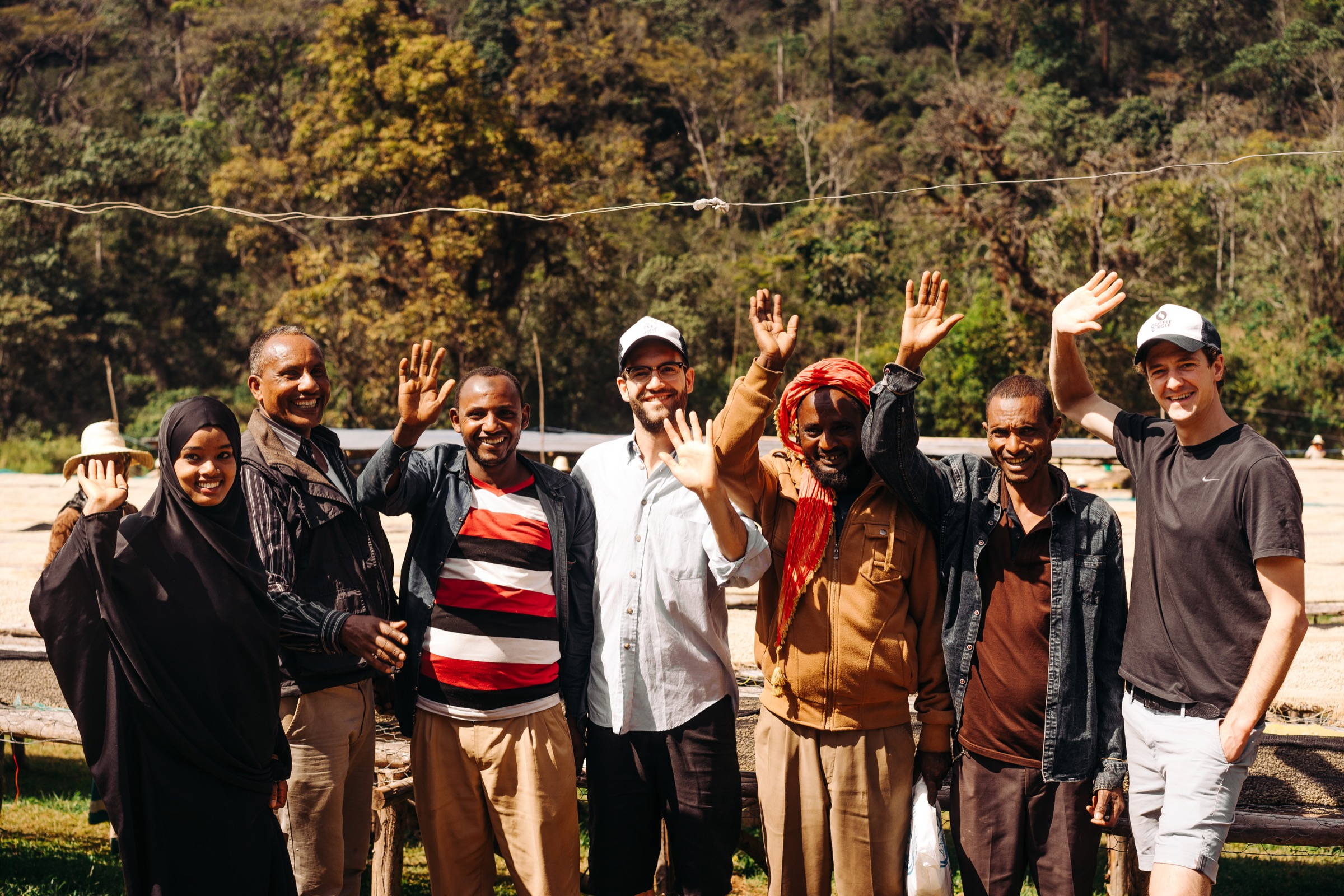
We visit our long-term partners regularly and exchange ideas with them. We don’t use middlemen or coffee exchanges that take a cut of the coffee’s production.
In the conventional coffee trade, producers are the ones who earn the least in the value chain. Because our coffee beans go directly from our coffee farmers to our Coffee Circle roastery, we can pay our coffee farmers a higher purchase price. The situation is different with Fair Trade coffee.
Specialty Coffee for a better tomorrow
What is Fair Trade Coffee?
Fair Trade coffee is certified with the Fairtrade seal. This certification system is monitored by FLO-Cert, the international umbrella organization for national certification bodies. Any company can apply for membership in a Fair Trade association.
You’re probably familiar with the distinctive logo: a black background, a blue drop on the right, a green leaf on the left, and “Fairtrade” centered below in white capital letters. There are various labels like this, such as Rainforest Alliance and UTZ. They all have different areas of focus.
Fairtrade is committed to the following priorities:
- Minimum prices
- Social premiums
- Living wages
- Pre-financing
- Fair trade
The Rainforest Alliance focuses primarily on organic farming, biodiversity conservation, and environmental and agricultural education, while UTZ promotes sustainable, transparent agriculture and traceability.
But not all Fairtrade is the same. All of these labels or systems differ—sometimes radically—in terms of premiums, quality incentives, and how they work with cooperatives. What they have in common is that there is a local representative. However, the buyer does not have to be in direct contact with the producers. Furthermore, the Fairtrade coffee seal says nothing about the quality of the coffee beans or how they are processed by the industry.
That's why we're “Direct Traders”
As an independent “direct trader,” we at Coffee Circle can define our own purchasing criteria. At the international level, the four largest international fair trade organizations (FLO, WFTO, NEWS, EFTA) have agreed on a commonly recognized definition:
“Fair Trade is a trading partnership based on dialogue, transparency, and respect that seeks greater equity in international trade. By improving trading conditions and safeguarding social rights for disadvantaged producers and workers—particularly in the Global South—Fair Trade contributes to sustainable development.
Fair Trade organizations (together with consumers) are committed to supporting producers, raising awareness, and campaigning to change the rules and practices of conventional global trade.”

Based on this, Direct Trade offers the following benefits for us, our producers, and our customers:
- consistently high quality, regardless of daily market prices
- fair final prices for our customers
- sustainable management of land and nature
- social projects for communities in the regions of origin
We focus on growing, processing, and roasting our coffee for you to ensure the highest possible quality. This process is completely transparent. That’s why it’s easy to trace where our coffee comes from.
When you enjoy your morning coffee from Coffee Circle, you can be sure that it was grown and processed in an environmentally friendly way—and that the coffee farmers receive a fair wage for their work.

Current Projects
Learn more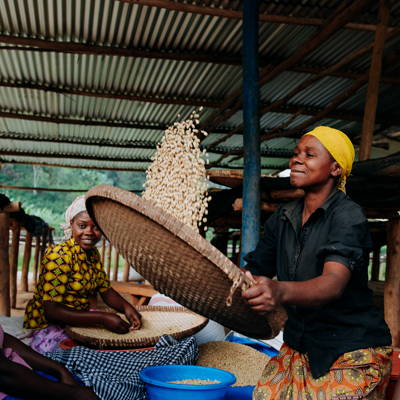
Project Accomplishments
Read more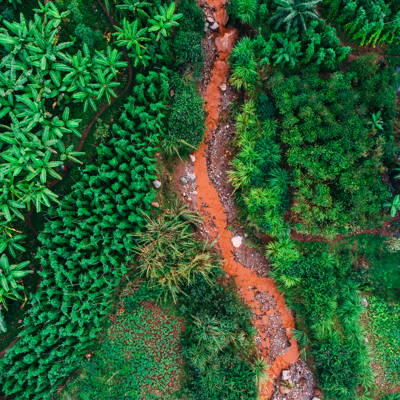
Impact Report
Learn more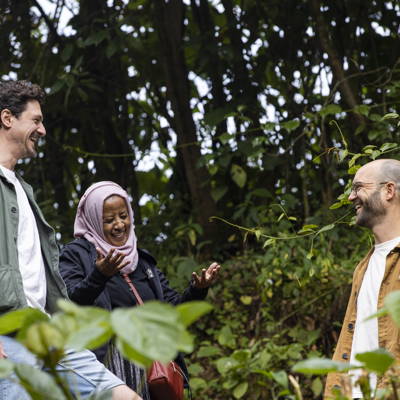
Coffee Circle Foundation e.V.
Read more
Follow Our Journeys
Be part of the actionNot all forms of fairness are the same — we’re well aware of that!
All Fair Trade organizations and their members want to help make the world a better place. The problem, however, is that there are no legally binding standards. Each organization describes and defines its own standards. As a result, “Fair Trade” is primarily a matter of definition. The differences lie in the details and are, in some cases, significant.
By comparison: Neither UTZ nor the Rainforest Alliance provides a social premium to directly support or initiate projects. Fairtrade’s social premium is €0.39 per kilo, but no specific information is provided on how the funds are used. Customers have no way to choose a project; the decision is made for them. With us, you decide for yourself.
But despite all the criticism: it is primarily thanks to Fairtrade that awareness of fairness regarding the origin of food has increased enormously, especially in Germany. This was very important for the development of Coffee Circle. Because without the foundation that Fairtrade laid, it would have been much more difficult for us, too, to build our business model the way it exists today.
Fairtrade was the necessary starting point for a movement. But it is now long past time to take the next step—to think ahead.
Our Three Core Values at Coffee Circle
1. High Quality
We only purchase filter coffees and espressos that we have rated with a cupping score of > 80 points (the international scoring model of the SCA, the Specialty Coffee Association). When sourcing our green coffee beans, we make sure that their flavor profiles align with our preferences. This ensures that our products meet our own quality standards.
2. Fair Pay for Better Quality
By paying farmers higher prices than Fair Trade organizations do and implementing projects in the countries of origin, farmers have the opportunity to continuously improve the quality of their crops.
For example: On average over the past few years, the purchase price we’ve paid in Ilketunjo (Limu Region, Ethiopia) has been 88% higher than the world market price and 56% higher than the Fairtrade minimum price of €1.60 (including the premium).
3. Social Projects: We're pitching in!
With our long-term partners, we implement projects directly in local communities. This serves as an additional incentive to improve coffee quality and is considered part of the compensation. This fundamentally sets us apart from traditional charity, as we use economic incentives to motivate our partners.
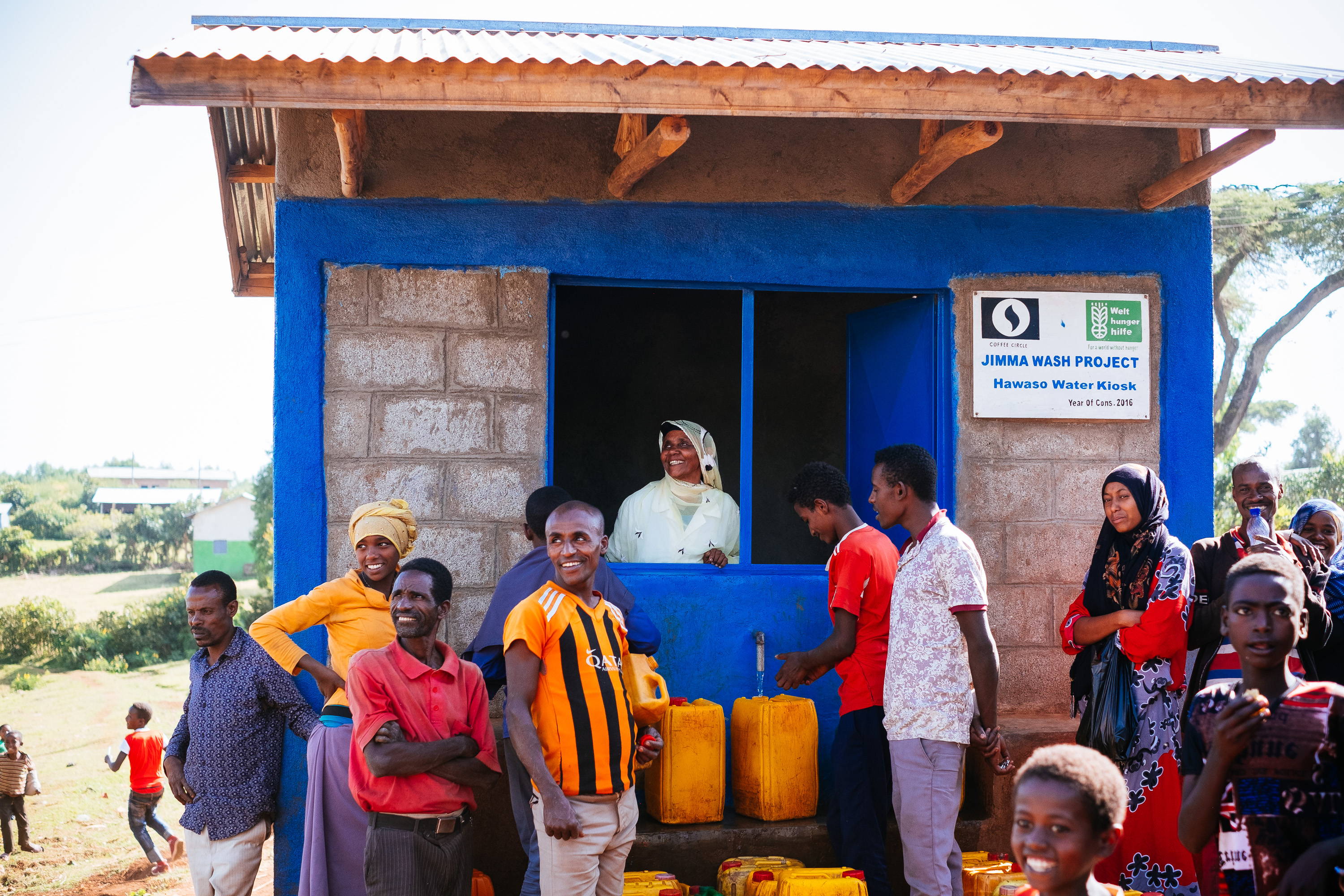
Of course, none of this would be possible without you: With every kilogram of coffee you purchase, you automatically donate €1 to projects in the regions of origin. This means you’re directly contributing to the establishment and implementation of a clean drinking water and sanitation system in Ethiopia or a cupping lab in the Congo.